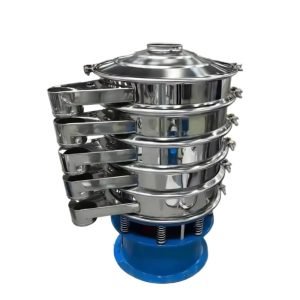
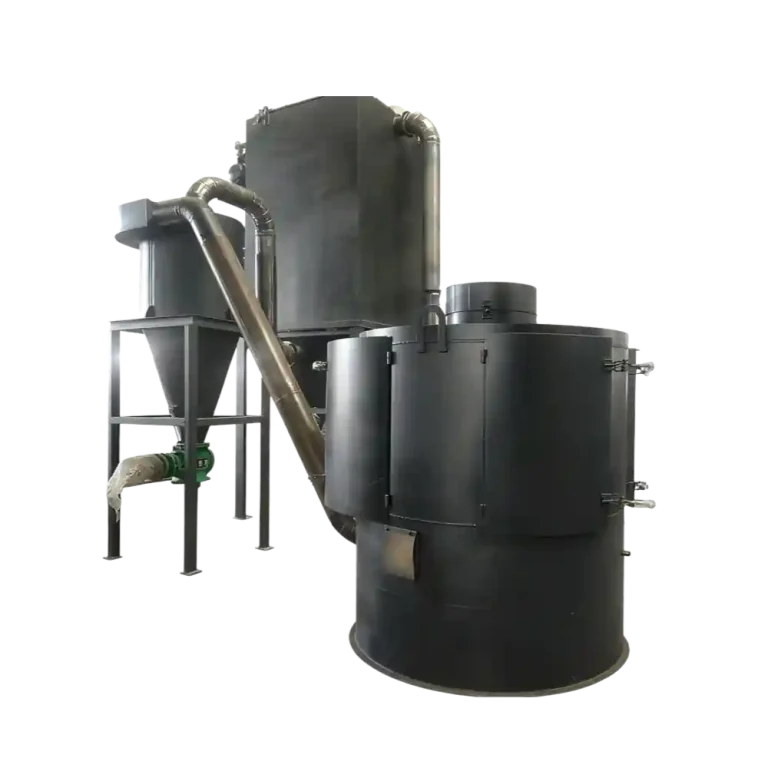
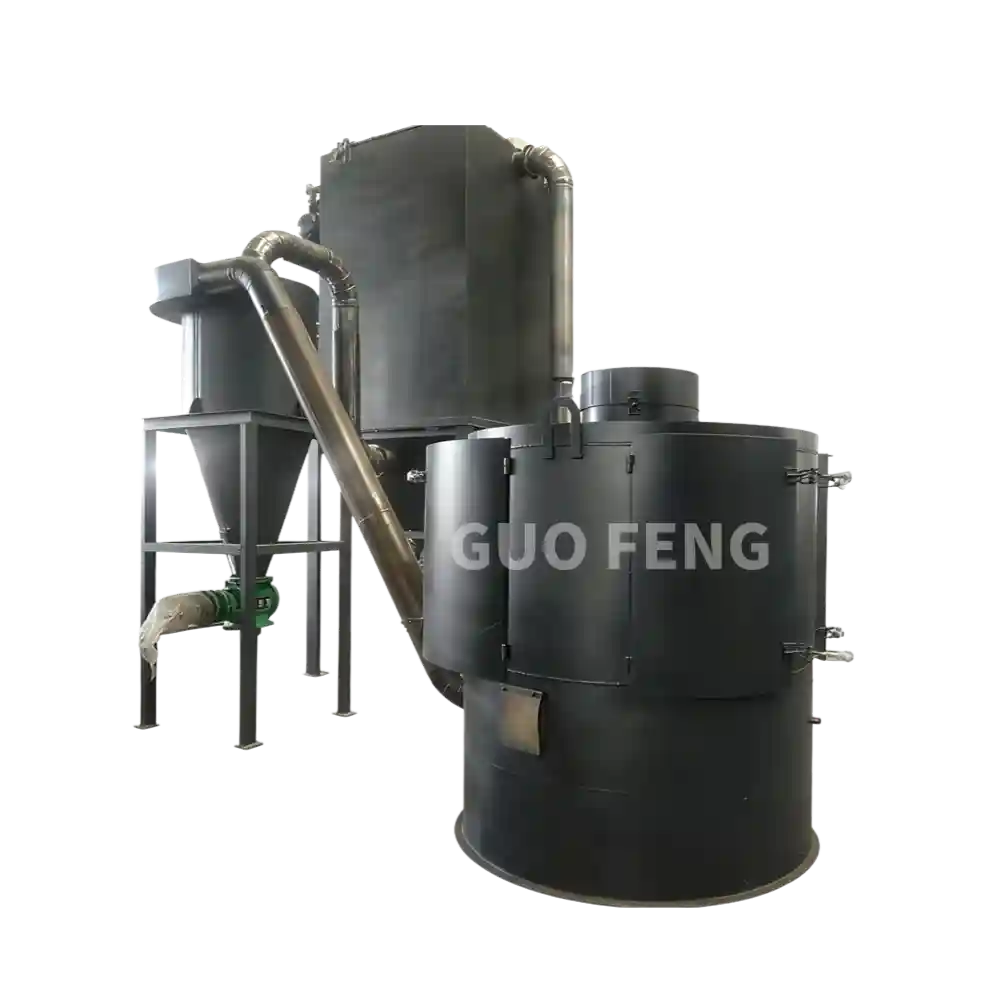
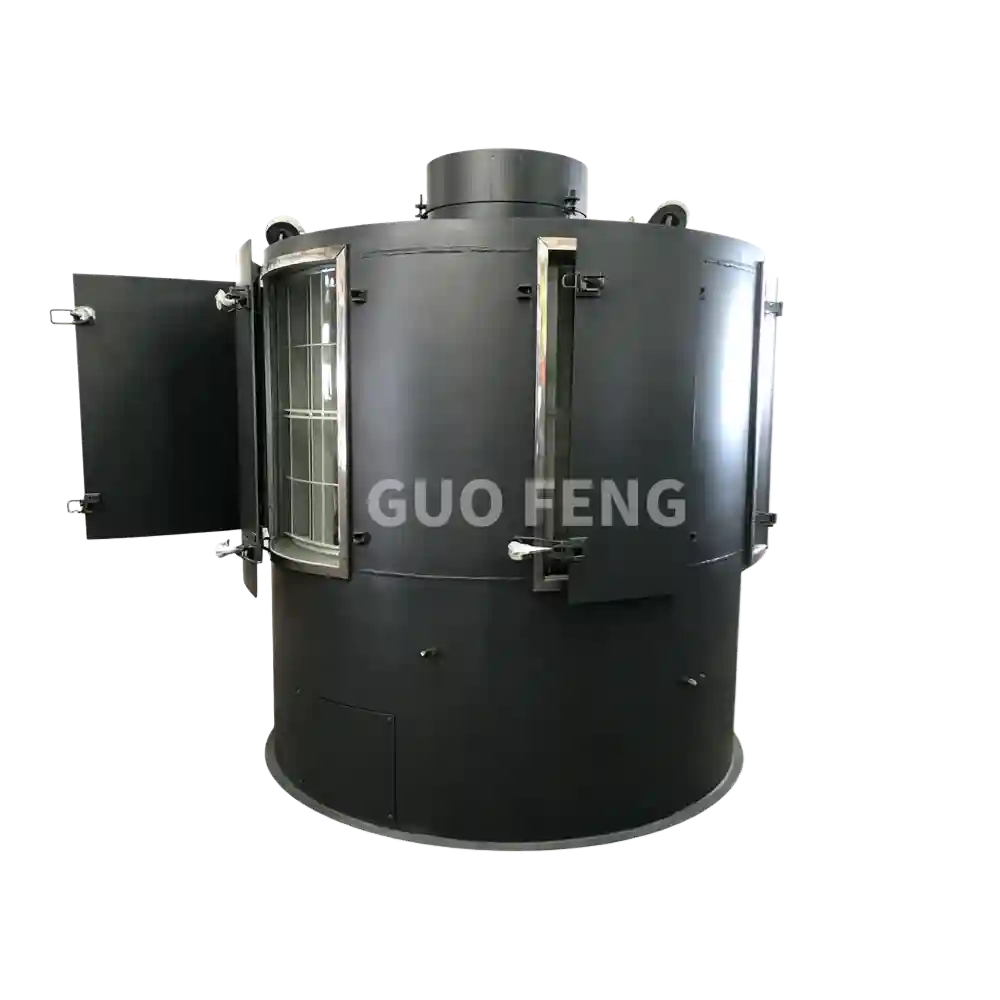
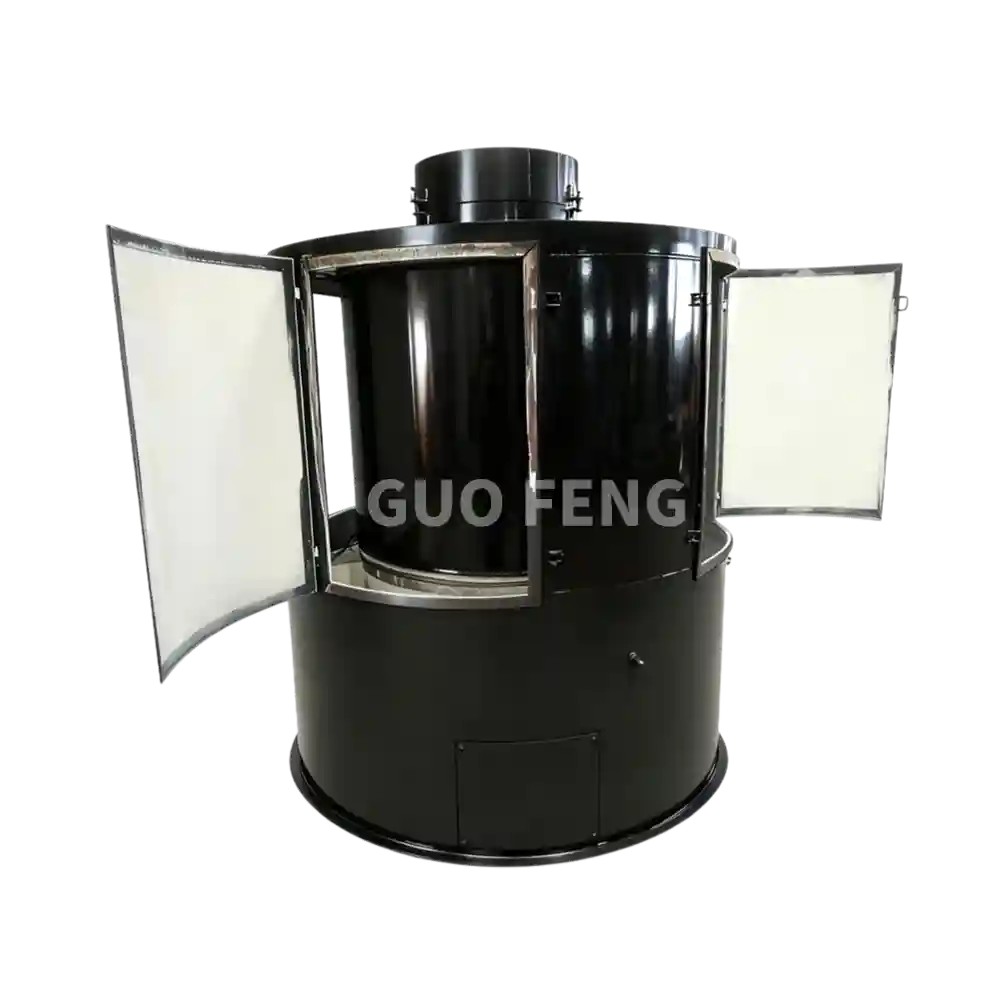
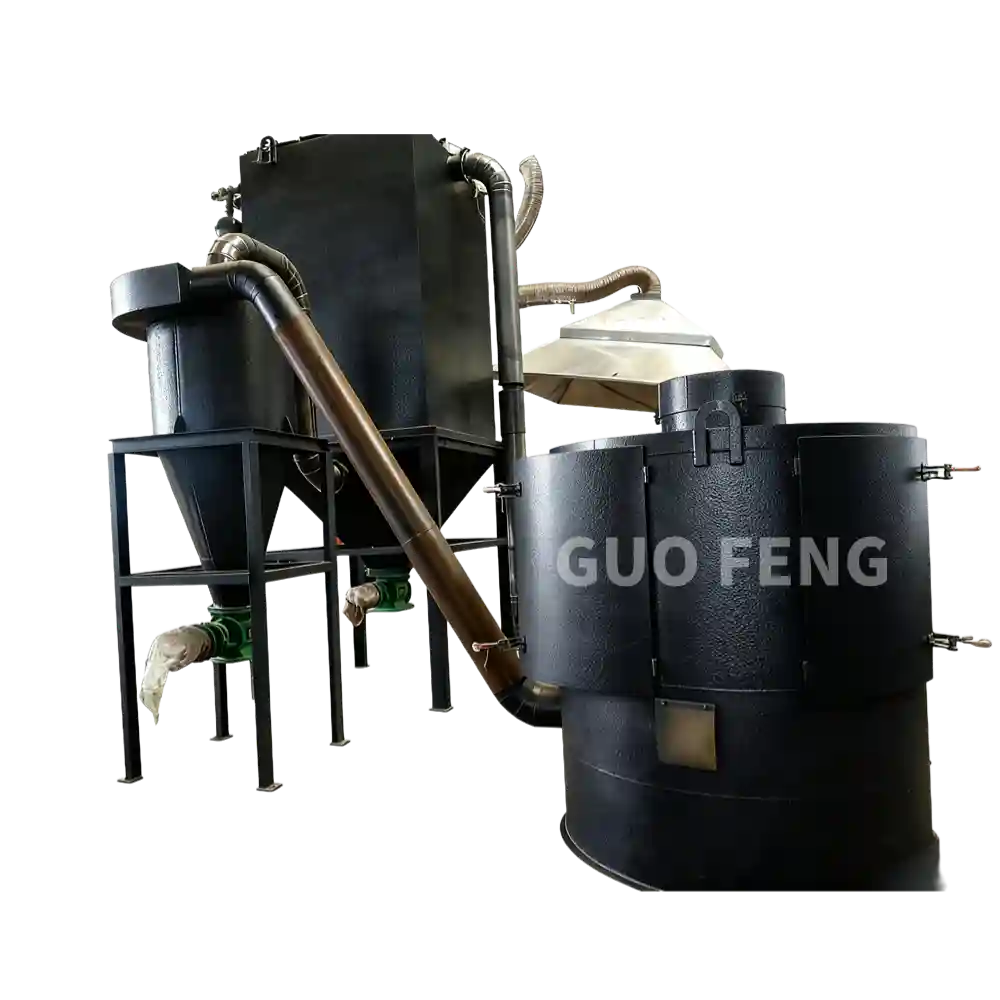
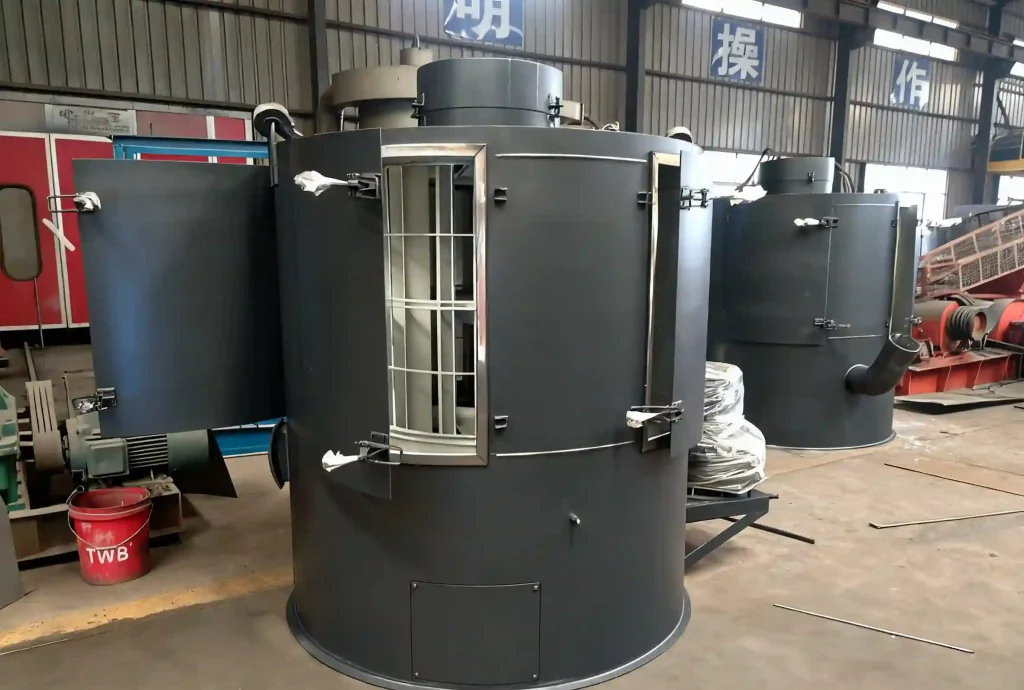
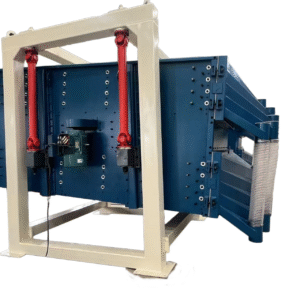
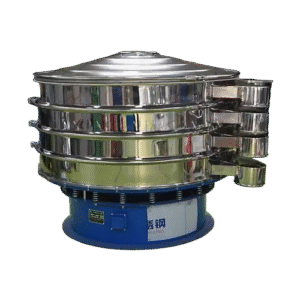
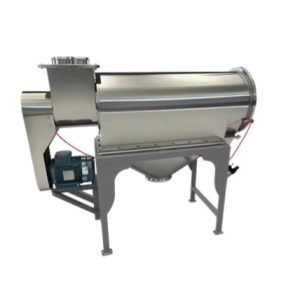
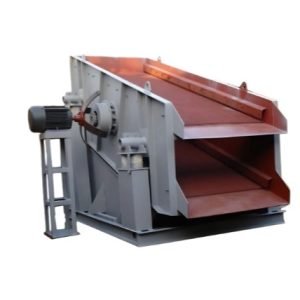
Application Areas: Precision fine powder classification (80–500 mesh). Utilizes vertical airflow combined with gravitational force, ideal for heat-sensitive and electrostatic-prone powders. Widely applied in pharmaceuticals, food, and chemical industries.
Particle Size Range
Motor Power
Capacity
Vertical airflow screen is suitable for ultra-fine powders, especially those prone to heat sensitivity and static charge, with classification precision of 80–500 mesh. Applicable materials include: pharmaceutical API powders, spices, food additives, polymer powders, pigments, metal powders, and other fine or cohesive powders.

Mainly used in industries such as pharmaceuticals, food, and chemicals. Suitable for precision classification of fine powders with zero screen blinding. Widely used in: API sieving with GMP compliance, spice and additive processing (HACCP ready), and explosion-proof chemical applications.
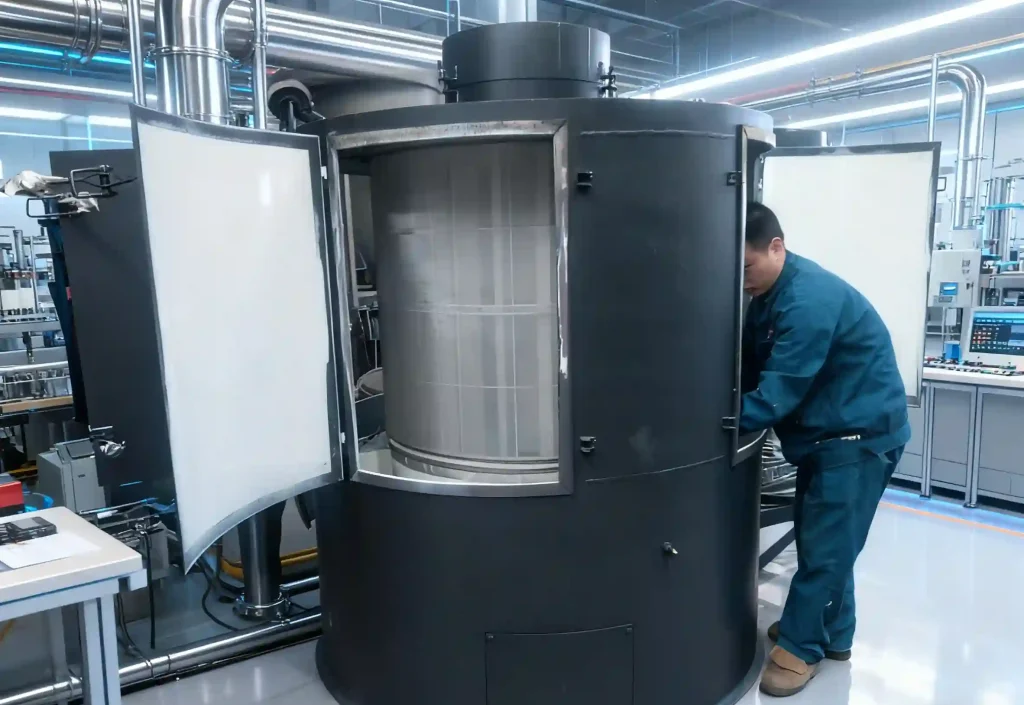
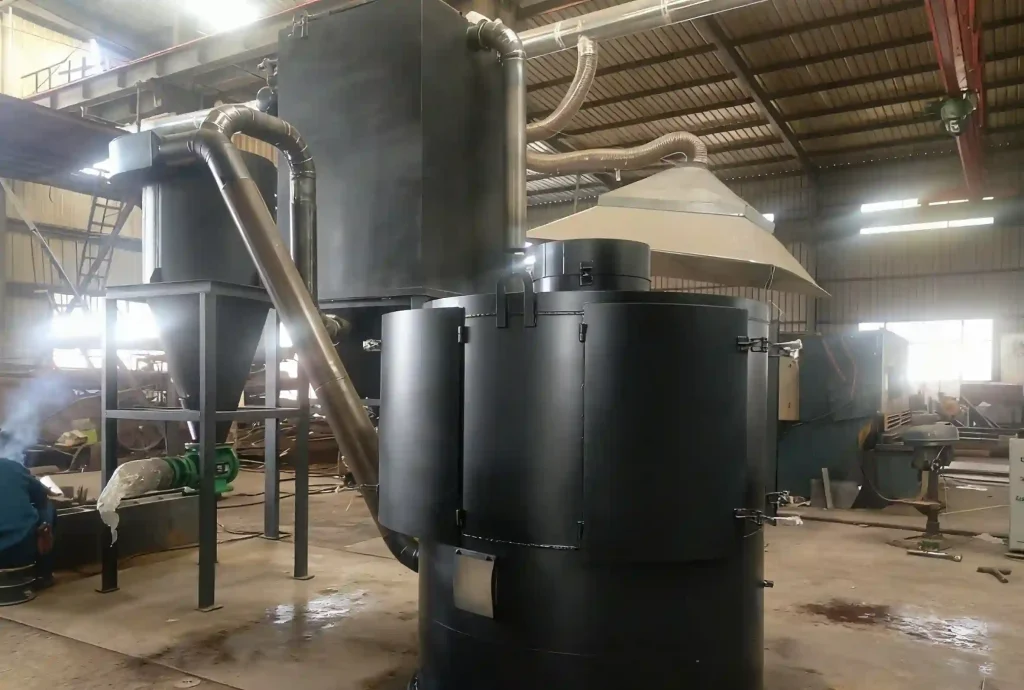
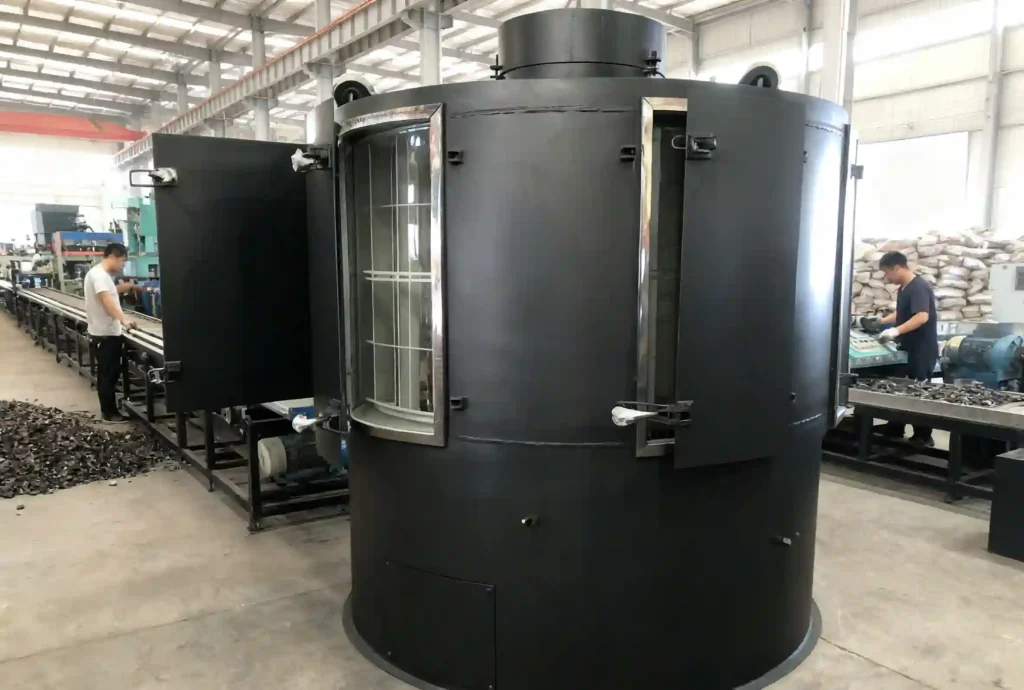
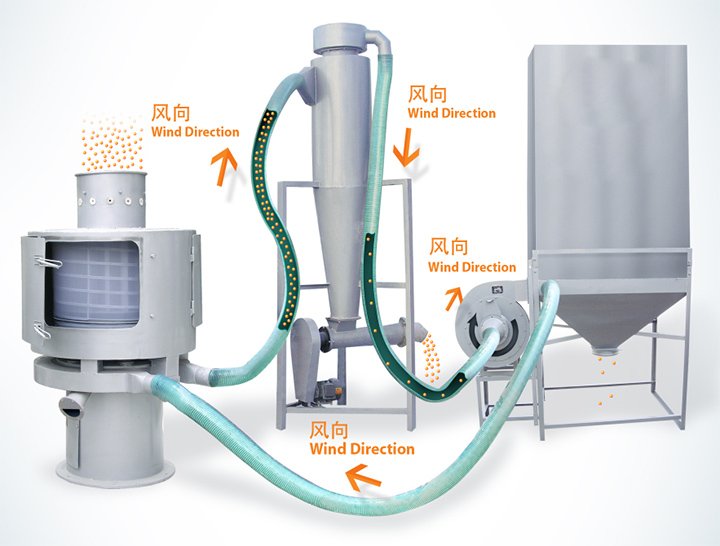
The Vertical Airflow Screen is a precision screening machine that combines gravitational force with pneumatic conveying. It is capable of handling ultra-fine materials with particle sizes from 80 mesh to 500 mesh for accurate classification. The design prevents screen blinding through an airknife cleaning system, ensuring continuous and stable operation. It features 40% lower energy consumption compared to horizontal models, FDA/GMP compliant stainless steel construction, and anti-static protection. This makes it widely suitable for applications in pharmaceuticals, food, and chemicals, especially for heat-sensitive or electrostatic-prone powders.
The vertical airflow screen is an advanced fine powder screening device that utilizes gravitational force combined with pneumatic conveying. Its compact design ensures easy maintenance, while the gravity-assisted system delivers up to 40% lower energy consumption compared with horizontal models. Equipped with a patented airknife cleaning system, it guarantees zero screen blinding and stable continuous operation. The anti-static design further prevents powder adhesion, making it especially effective for polymer and pigment processing. With FDA/GMP-compliant stainless steel options, it is widely applicable in pharmaceutical, food, and chemical industries, supporting both heat-sensitive and electrostatic-prone powders in diverse working environments.