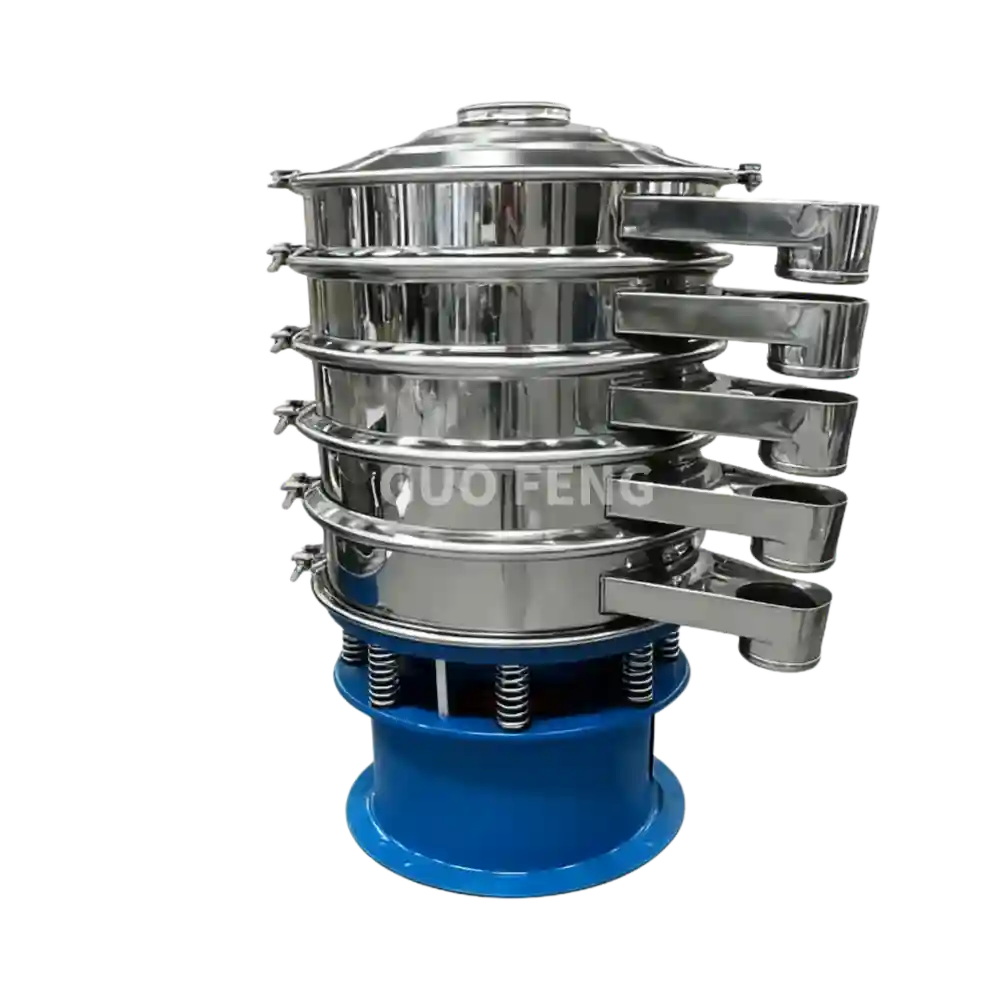
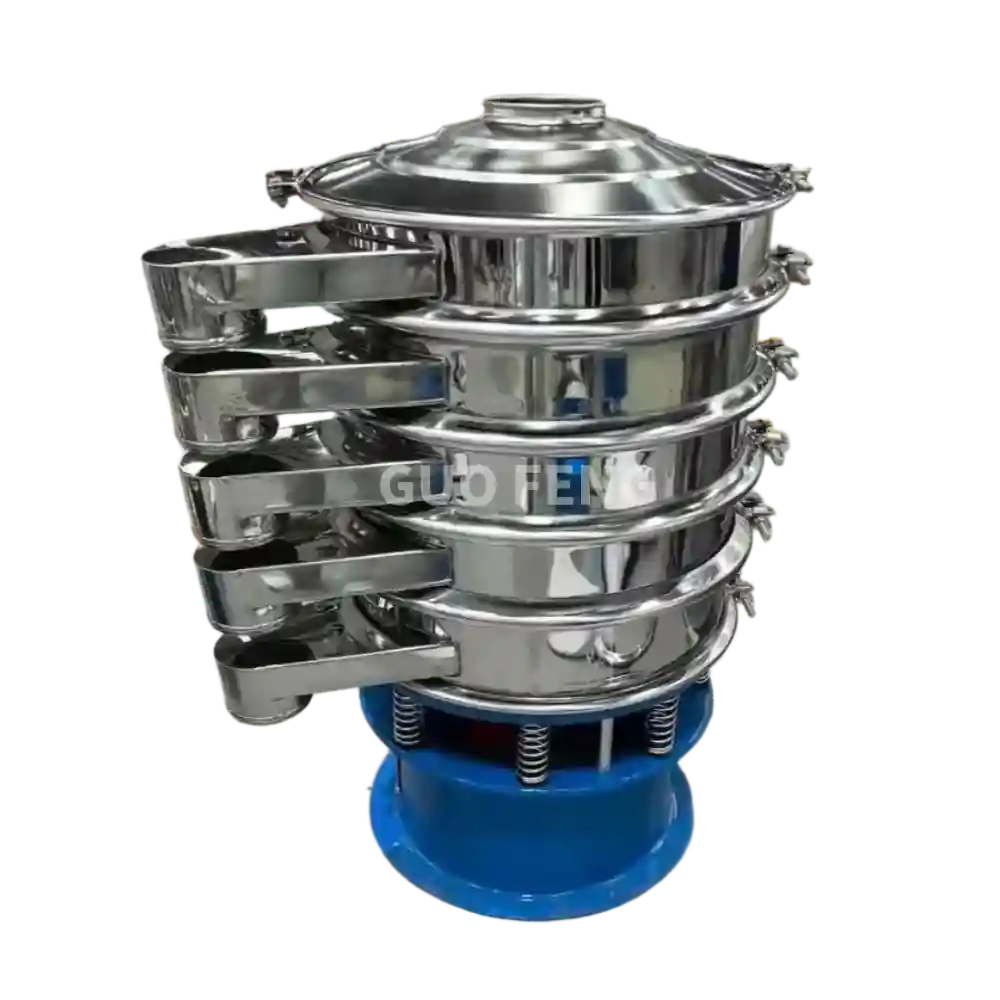
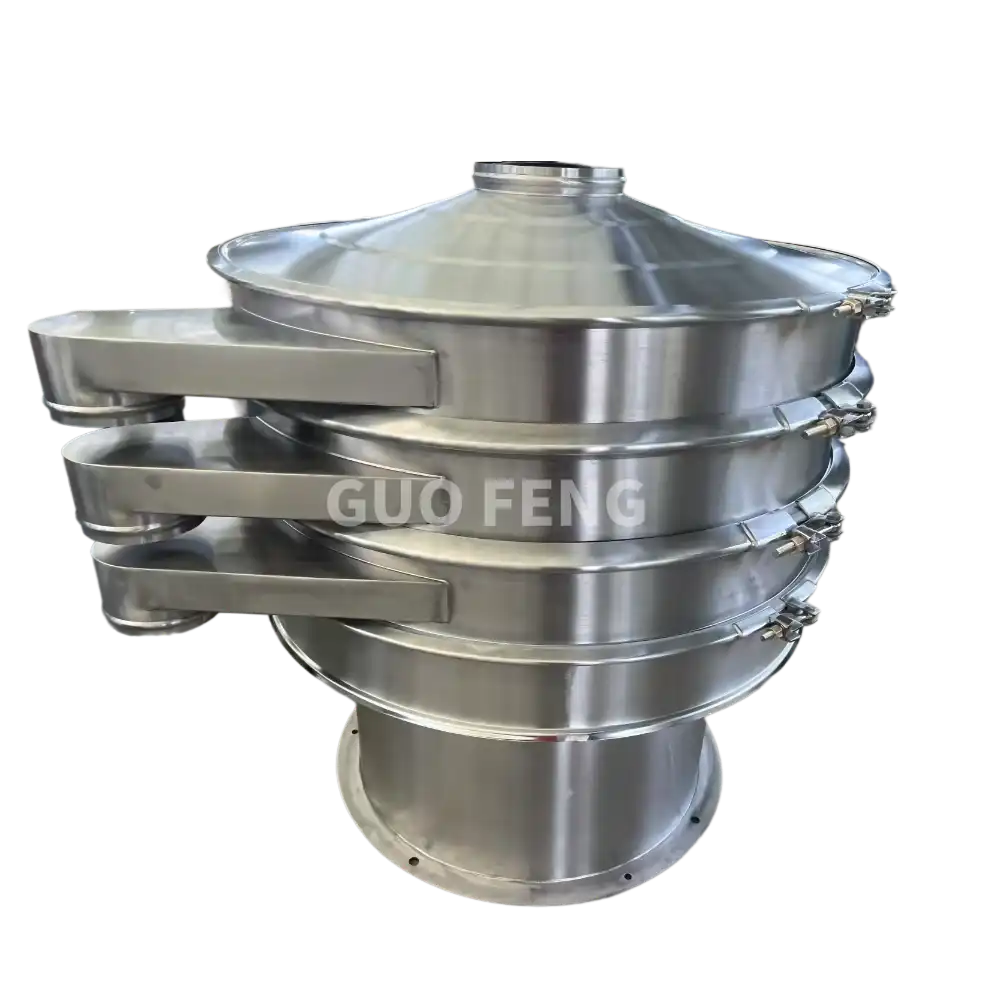
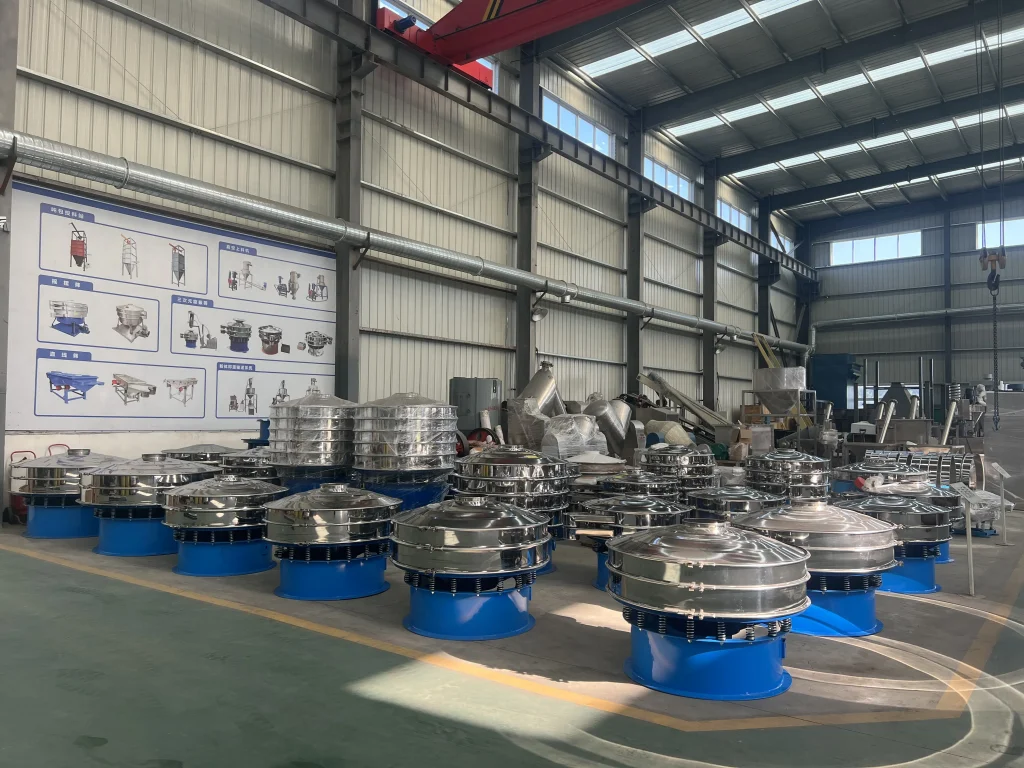
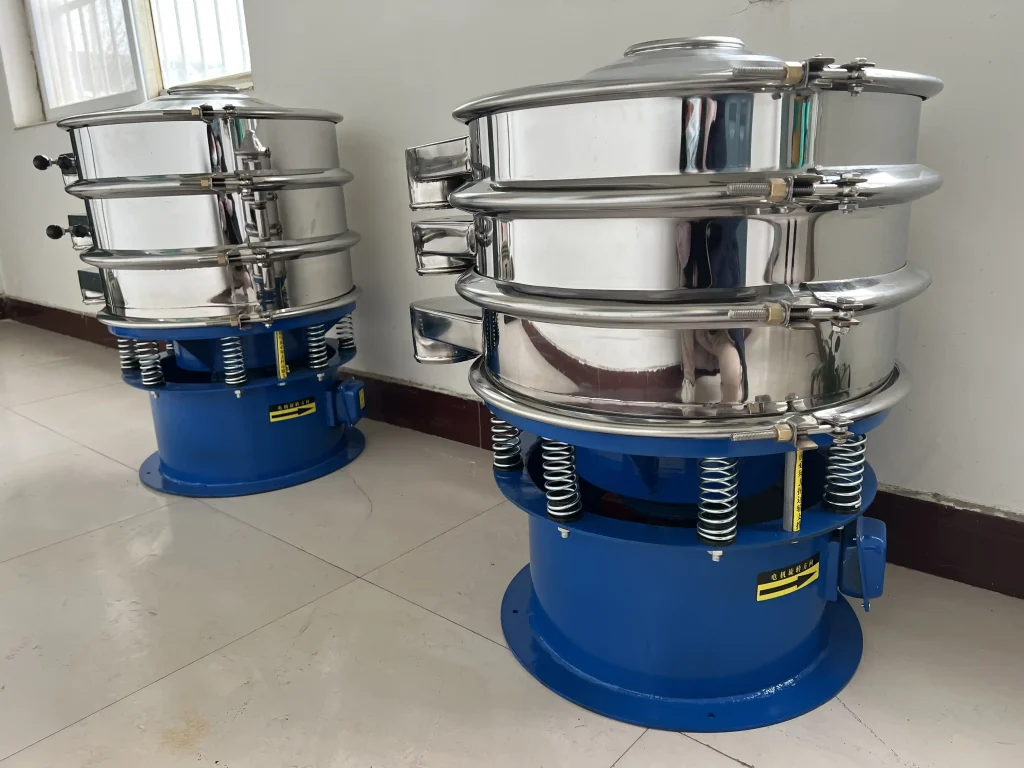
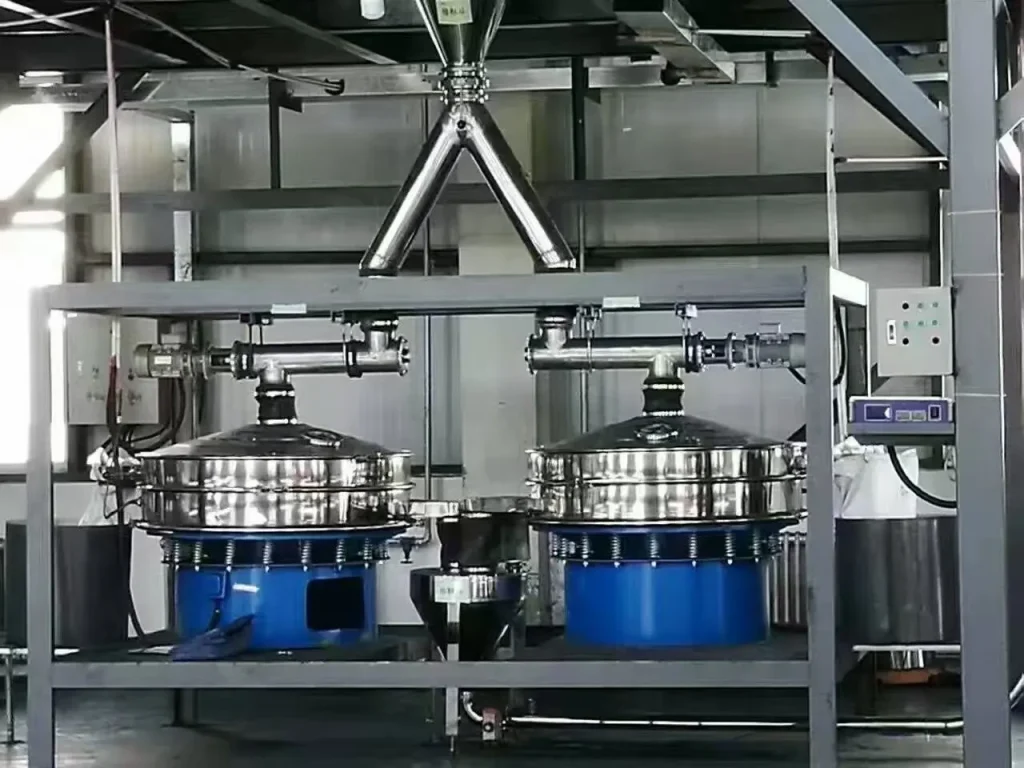
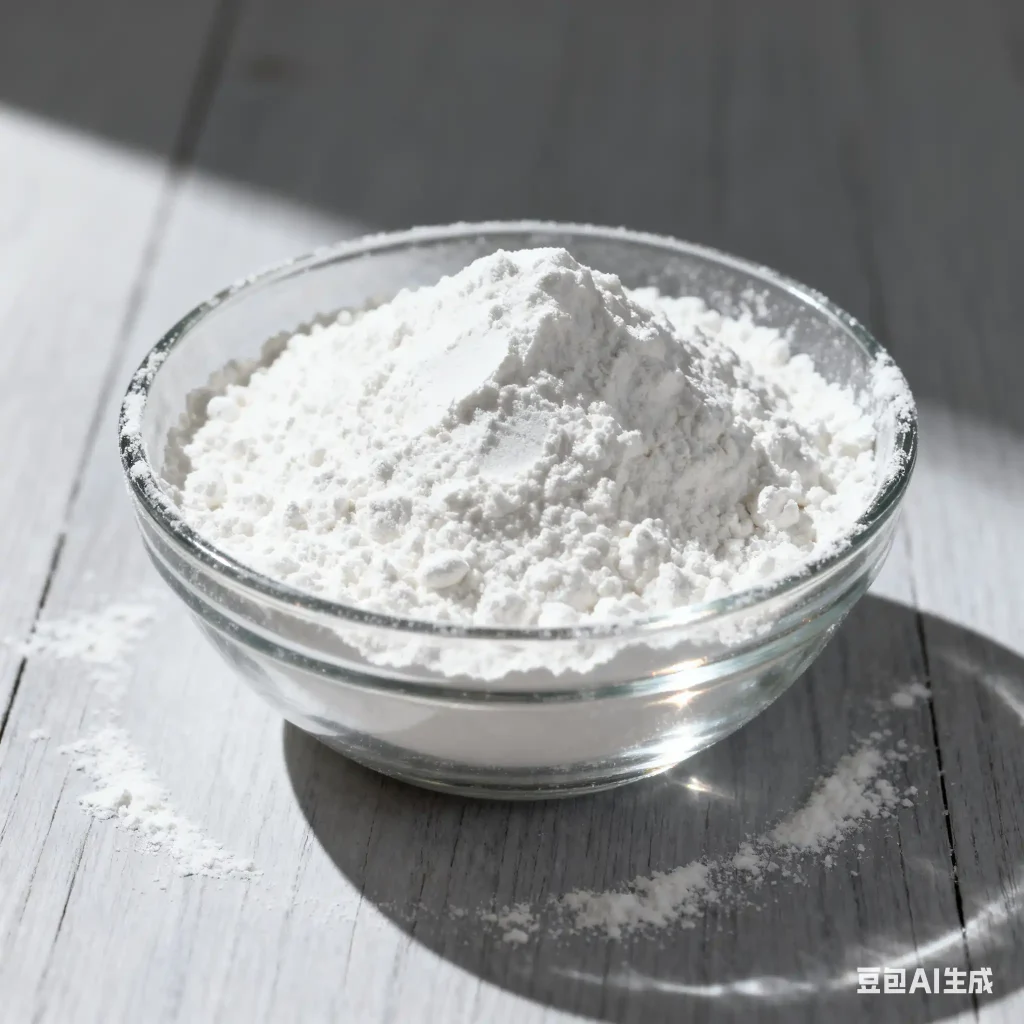
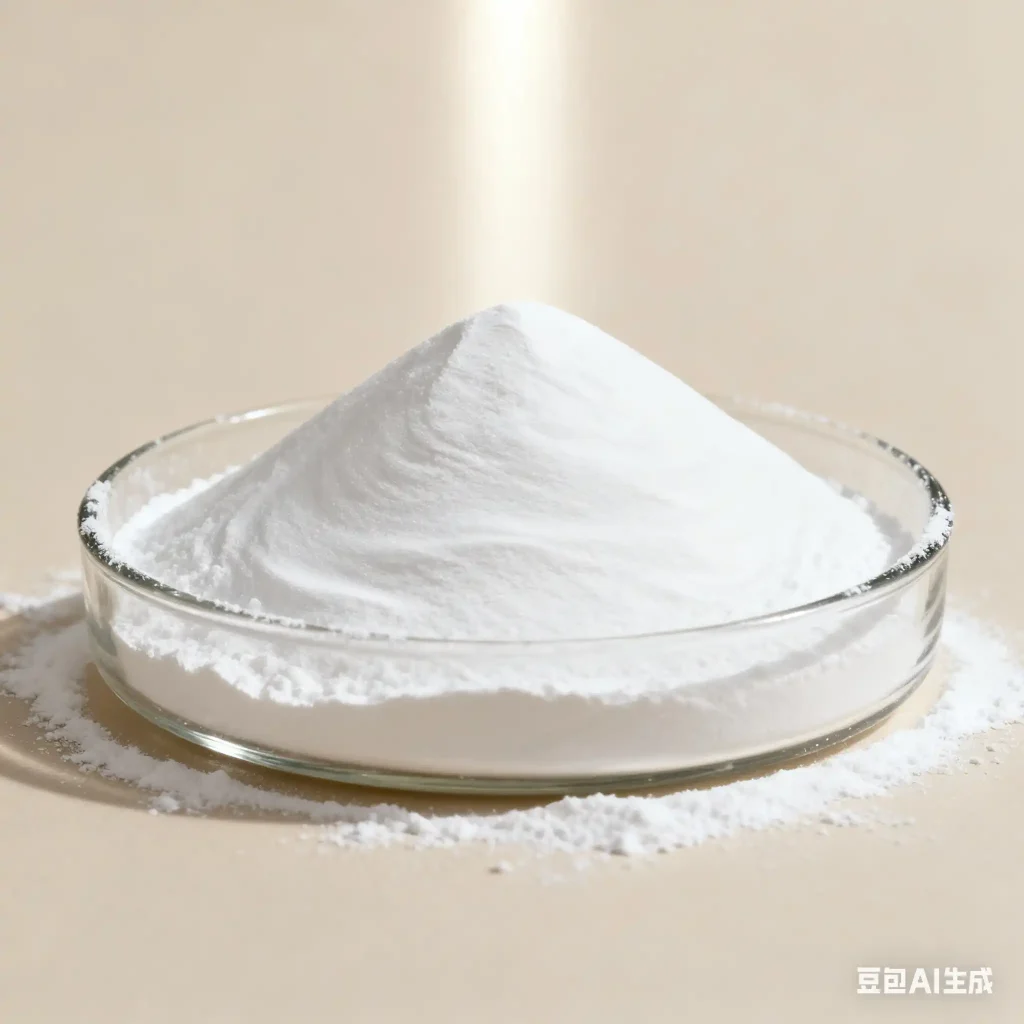
Application Areas: Fine screening and grading of dry powders and slurries (45–1000 μm). Widely used in food, chemicals, ceramics, metallurgy, new materials, etc. Suitable for starch, milk powder, resin, quartz sand, alumina, metal powders, carbon black, etc. Dust-tight design, anti-blinding ball tray, 304/316L options.
Particle Size Range
Motor Power
Capacity
Fine screening and grading are suitable for various dry and wet materials, with a particle size range from 45–1000μm. Widely used in industries such as chemicals, food, ceramics, and metallurgy. Applicable materials include: resin, paint, milk powder, starch, alumina, glass powder, metal powders, carbon black, etc.

Mainly used in industries such as food, chemicals, ceramics, pharmaceuticals, new materials, and metallurgy. Suitable for fine material screening and grading. Widely used in: milk powder, plastic powder, resin, cosmetics, ceramic raw materials, bauxite, metal powders, etc.
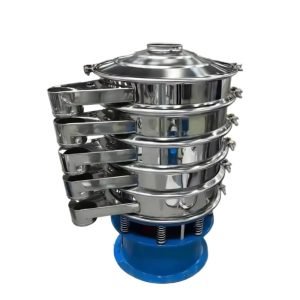
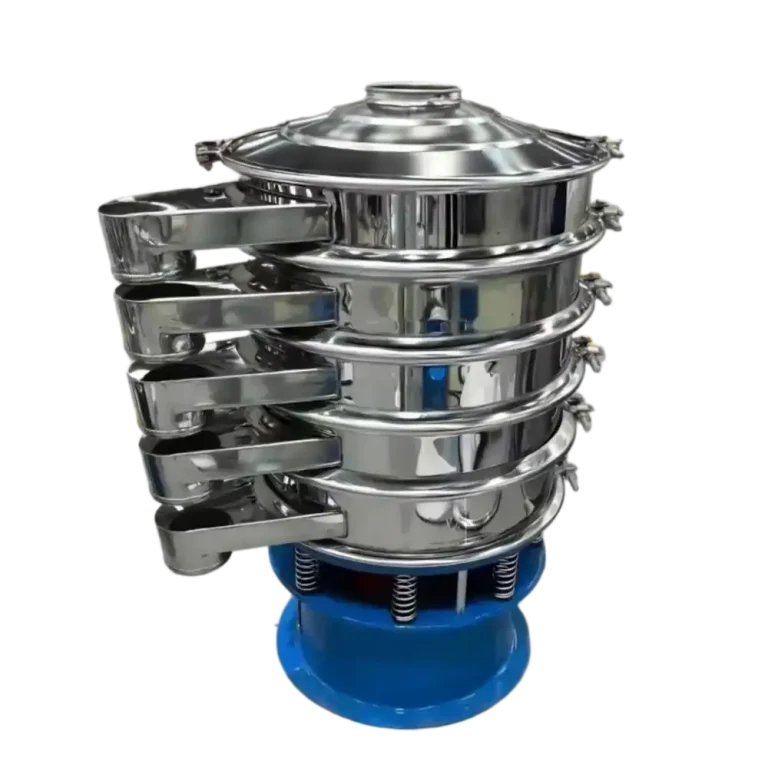
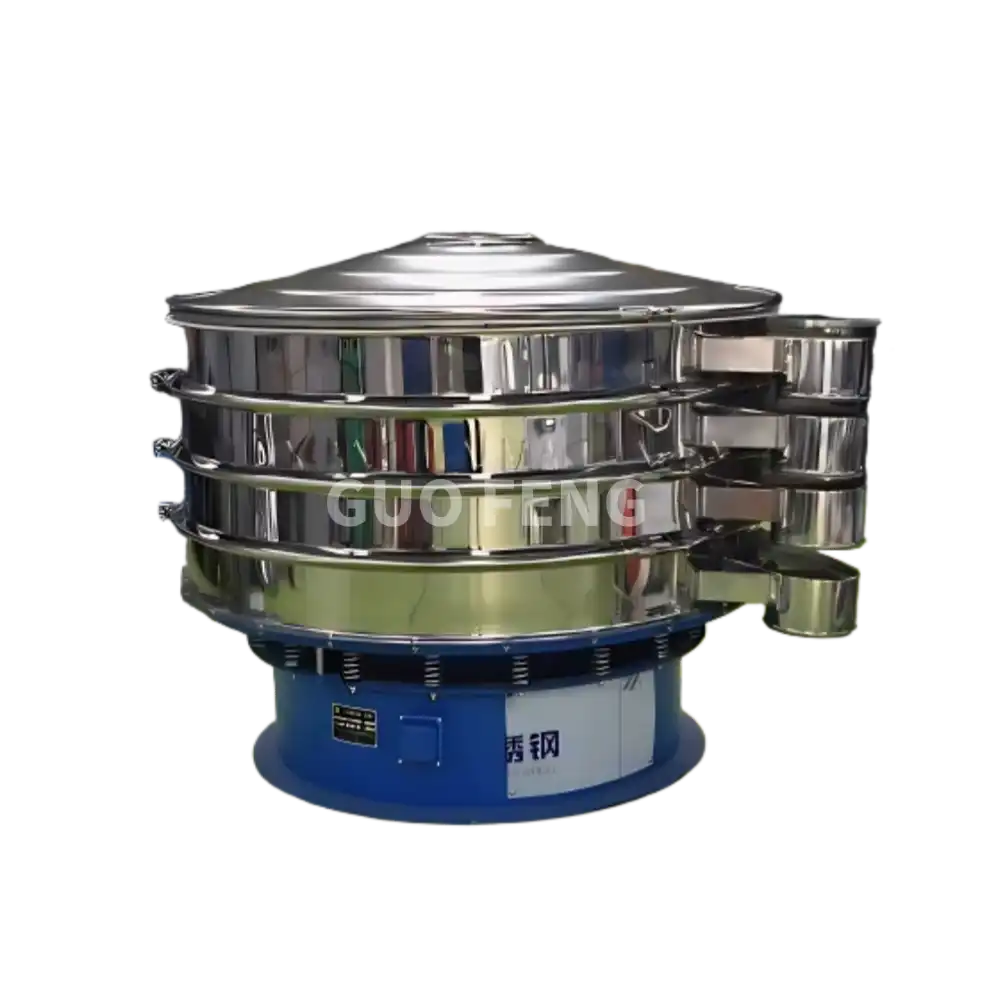
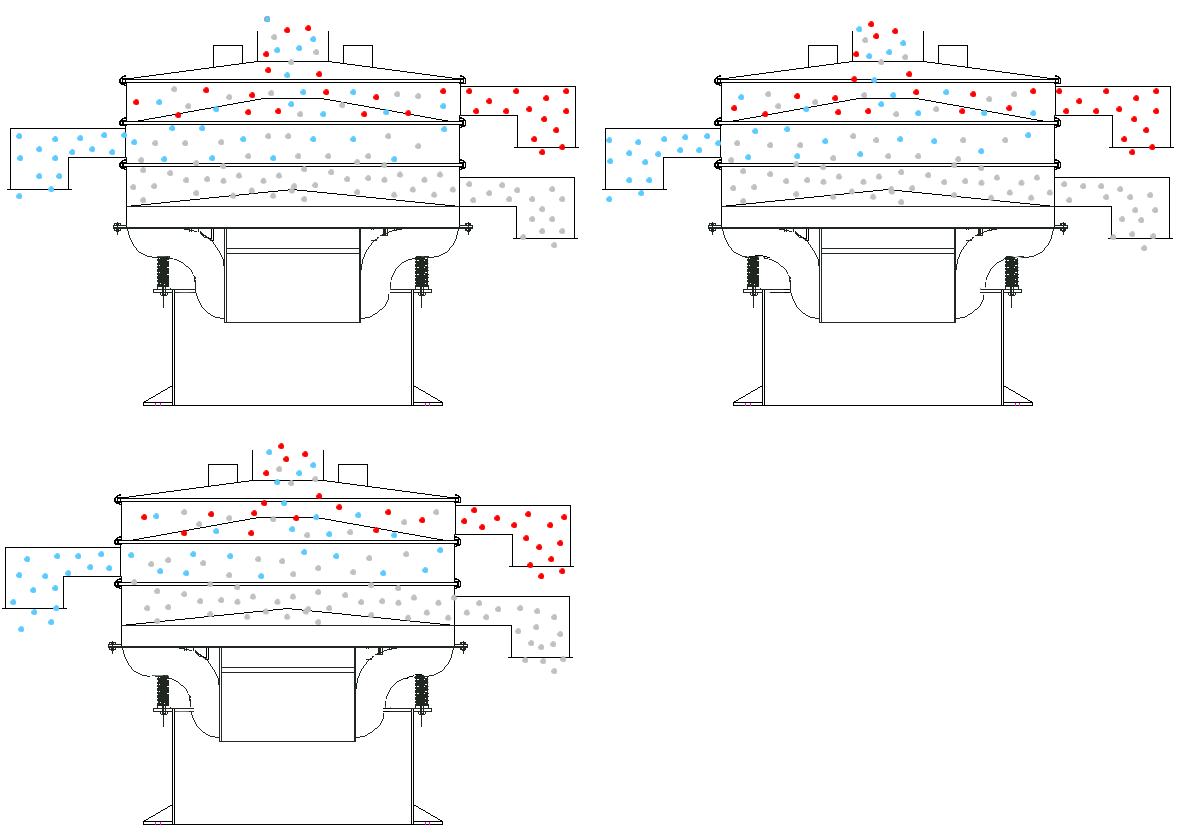
The Rotary Vibrating Screen is a screening machine that uses vibration energy to process materials. It is capable of handling various materials with particle sizes from 45μm to 1000μm for fine screening and grading of both dry and wet materials. It features high screening efficiency, energy-saving operation, and easy maintenance, making it suitable for a wide range of applications including chemicals, food, ceramics, and metallurgy. The product is cube-shaped and is widely used for screening various granular materials.
The rotary vibrating screen is an efficient screening device that uses three-dimensional elliptical vibration technology to quickly and effectively grade and screen various materials. Its simple design makes it easy to maintain, and it is widely applicable in industries such as chemicals, food, ceramics, and metallurgy. The device not only has strong screening capability but also offers a 30% energy efficiency improvement, significantly reducing power consumption. The anti-blinding design and automatic clearing system ensure efficient and stable operation, preventing mesh blockage issues that are common with traditional screens, thus greatly improving operational efficiency. Additionally, the device supports both wet and dry material screening, catering to various screening requirements in different working environments.