
Vibrating Screen Test Case Report
- Project Overview
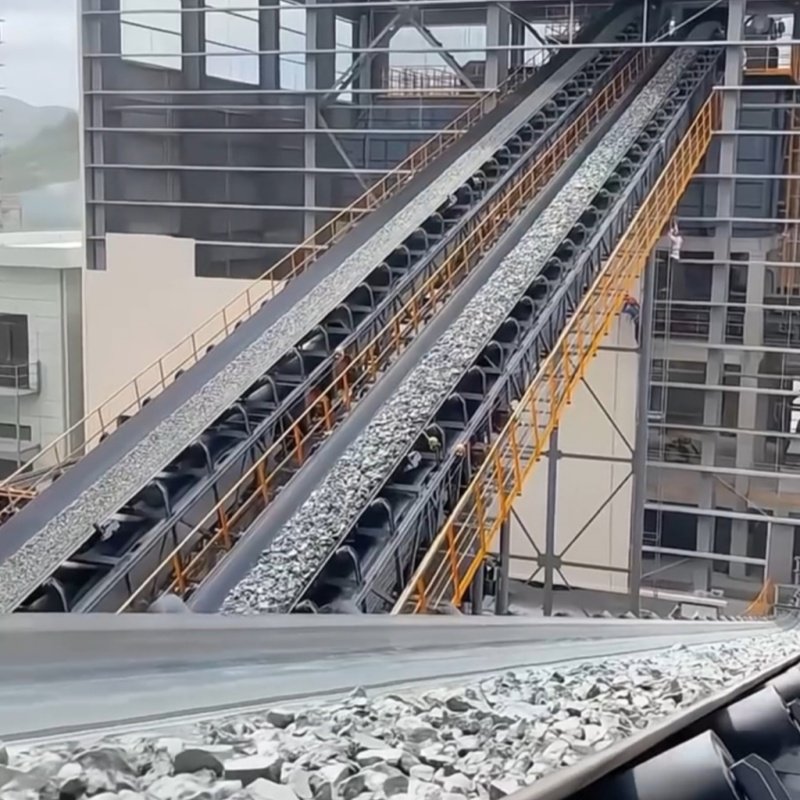
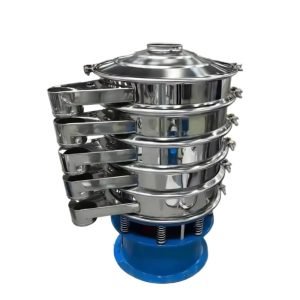
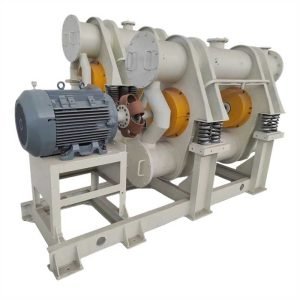
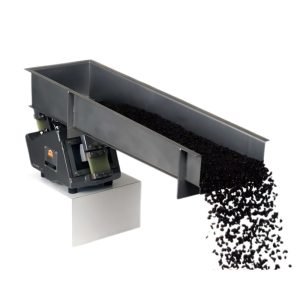
This trial involved four vibrating screens for a Russian mineral processing plant, designed to efficiently classify raw ore materials to meet strict particle size requirements for downstream production, enhancing both productivity and product quality.
- Testing Process
(1) Equipment Preparation
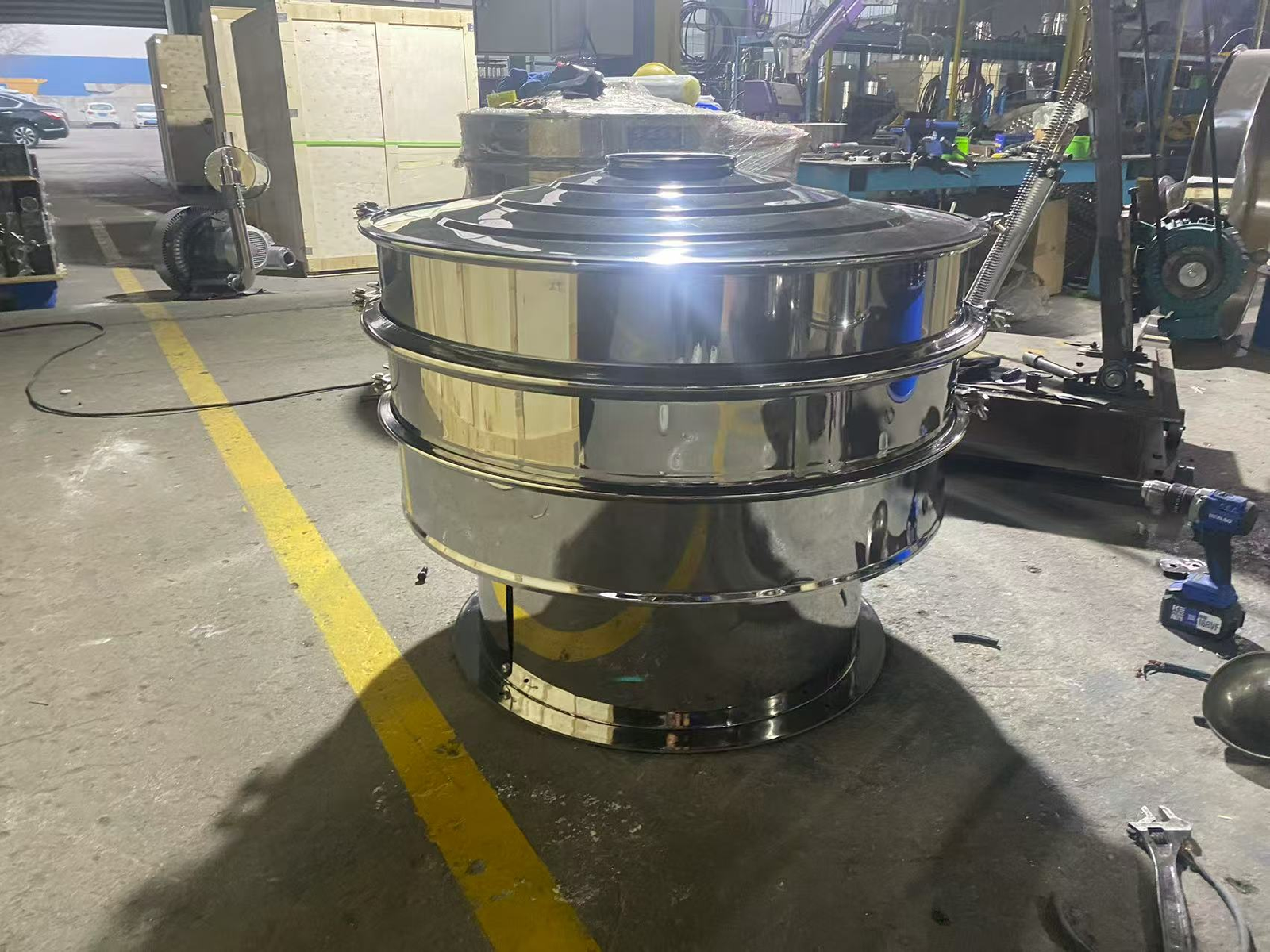
All four vibrating screens were installed and calibrated based on ore characteristics (particle size, hardness, etc.), with optimized vibration parameters (amplitude, frequency) to ensure stable operation.
(2) Trial Operation
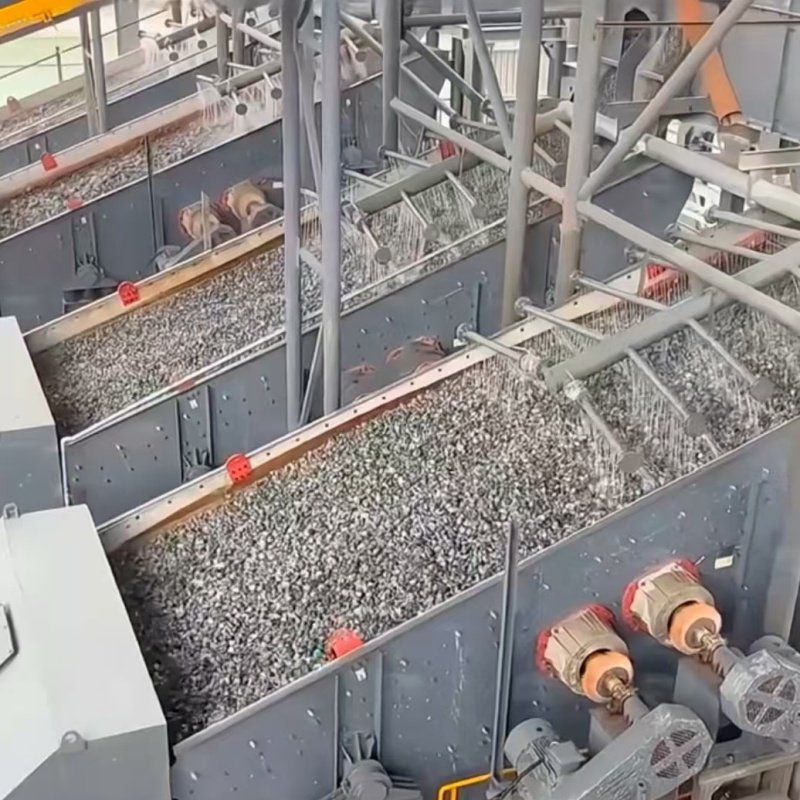
- Feeding Test: Ore was uniformly fed into the screens. The equipment started smoothly, with consistent material flow and stratification on the deck.
- Performance Monitoring: Fine particles passed through the mesh seamlessly, while coarse particles were effectively separated. No blinding, clogging, or material buildup occurred.
- Data Collection: Key metrics (power consumption, vibration intensity, noise levels) were recorded. Post-screening particle size distribution was analyzed to verify compliance with client specifications.
III. Results
(1) Screening Efficiency
The four screens achieved a combined throughput of 450 tons/hour with 90% efficiency, enabling high-volume, continuous production.
(2) Classification Accuracy
Over 92% of output met target particle size specifications, with minimal deviation. This ensured optimal feed quality for downstream processes (e.g., grinding, beneficiation).
(3) Operational Stability
The screens ran flawlessly for 72+ hours with steady vibration parameters, normal bearing/motor temperatures, and no abnormal noise or mechanical stress, demonstrating robust reliability.
- Client Feedback
The Russian client confirmed the screens resolved prior inefficiencies (low throughput, inconsistent grading). Key outcomes:
35% higher production efficiency
22% lower operating costs
The equipment’s precision, ease of operation, and durability aligned perfectly with their needs, prompting a purchase commitment and interest in long-term collaboration.