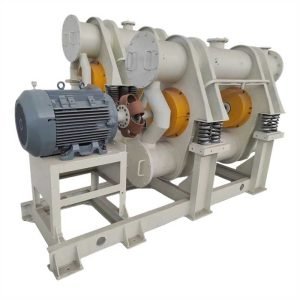
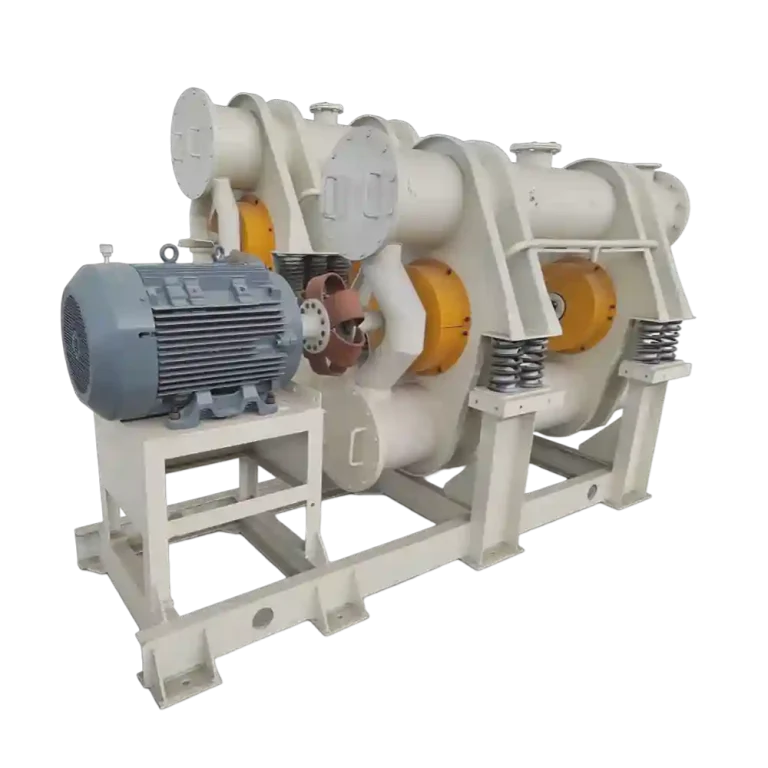
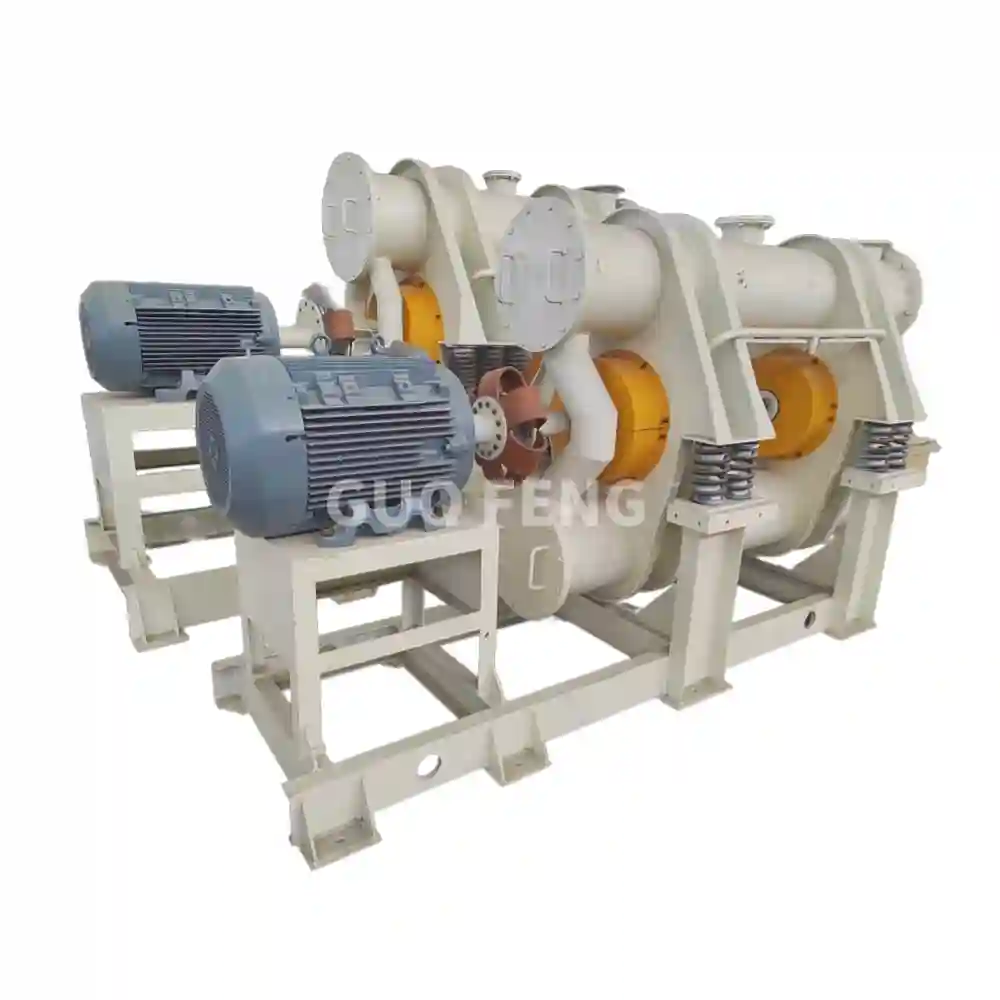
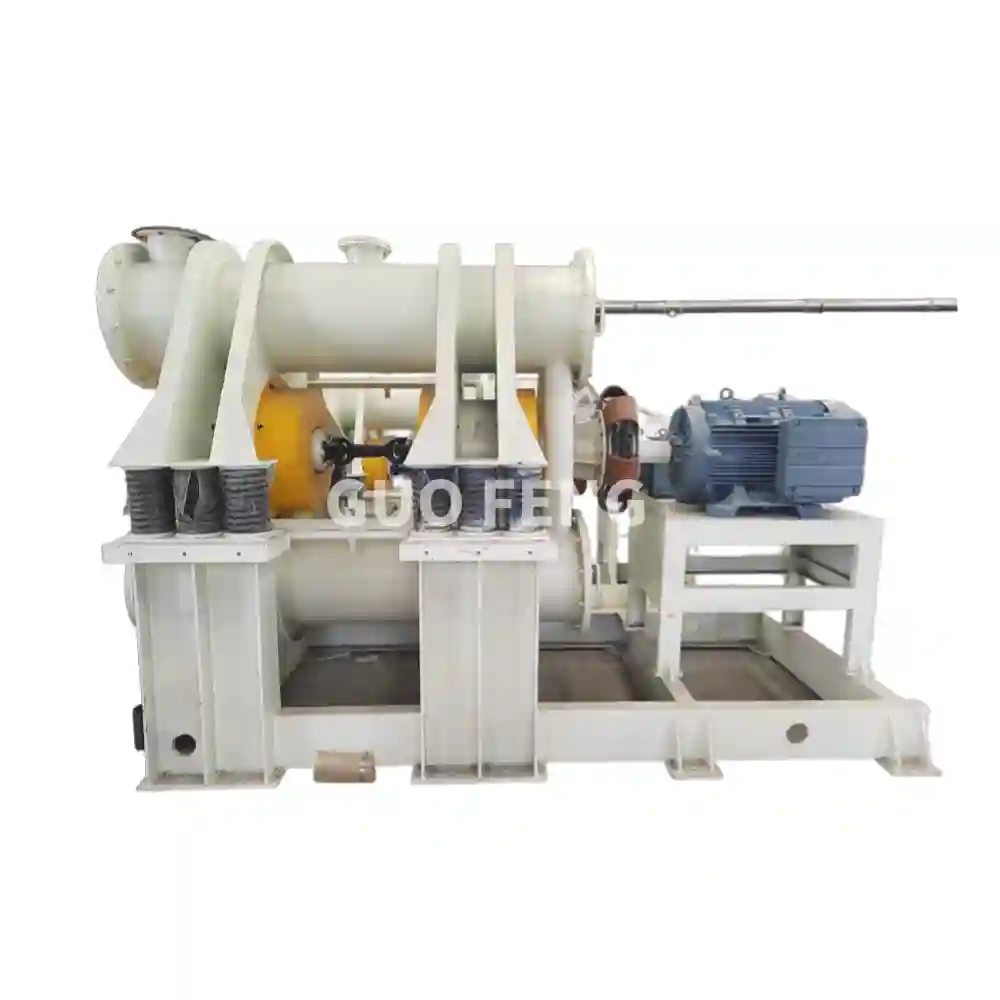
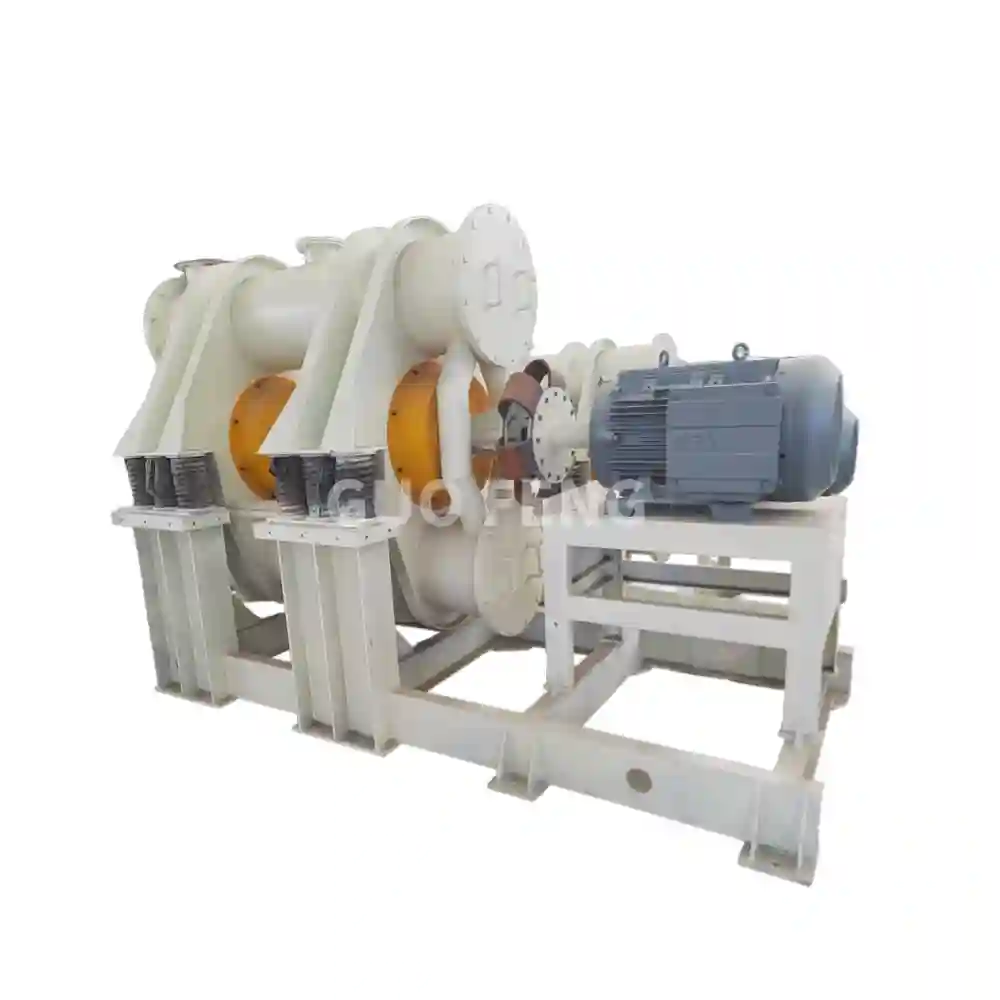
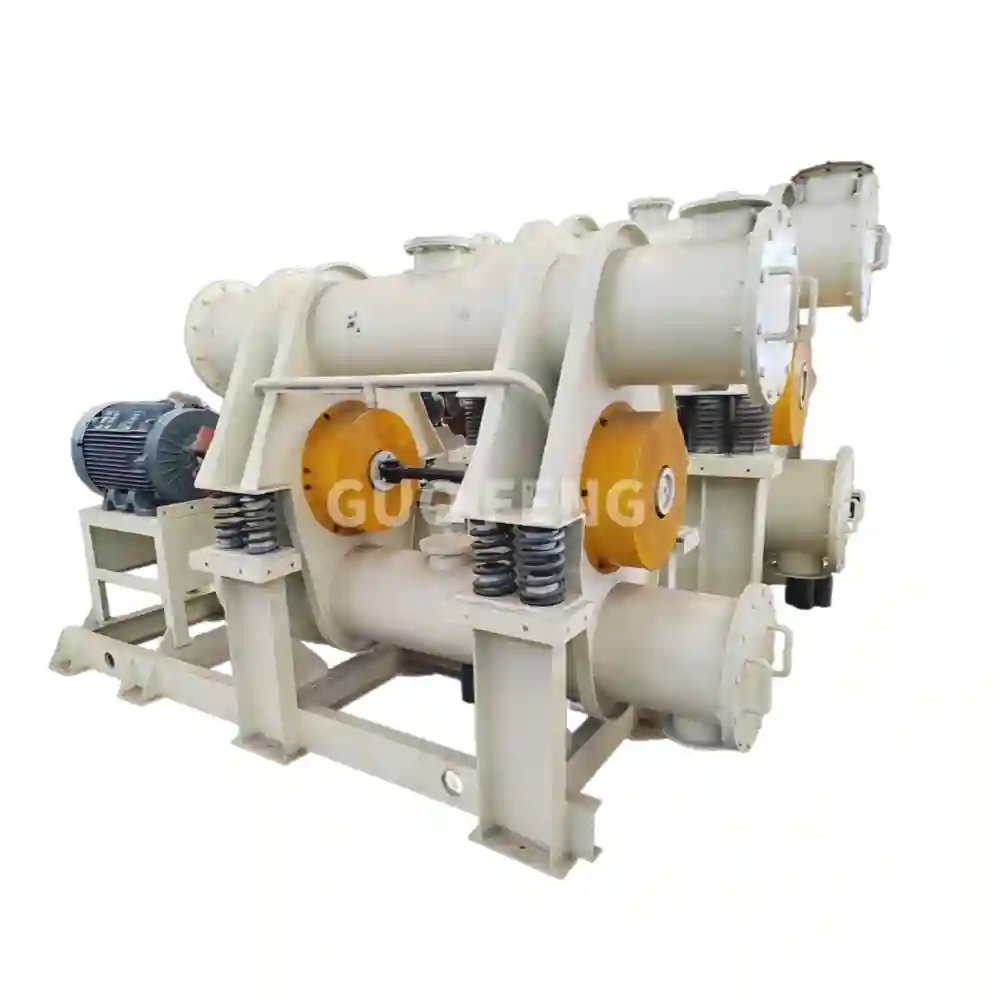
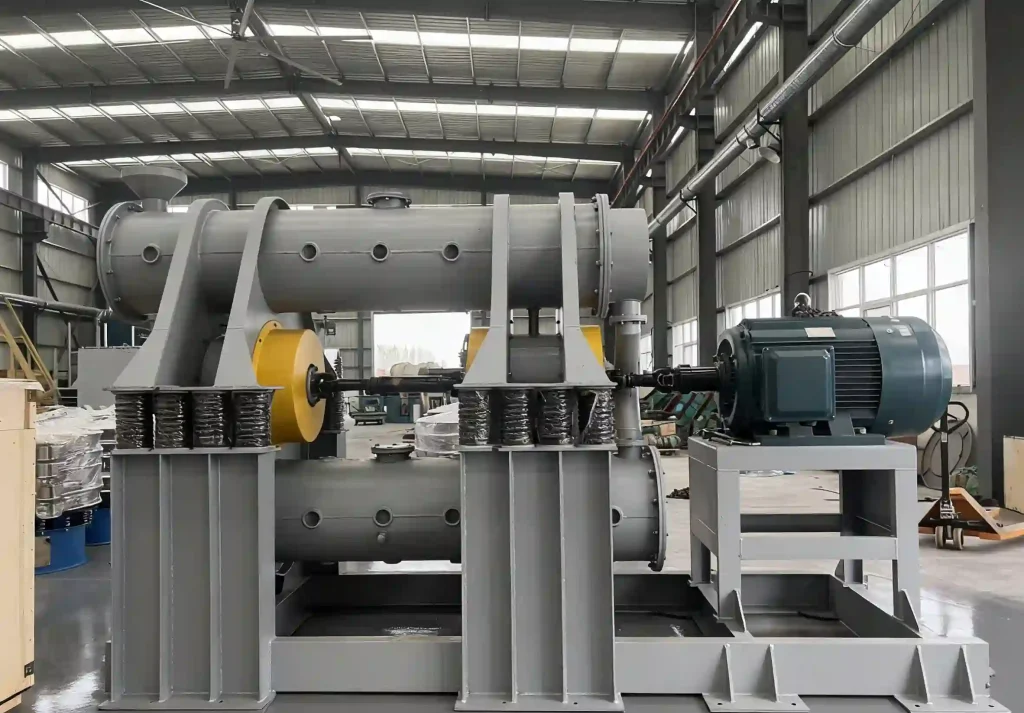
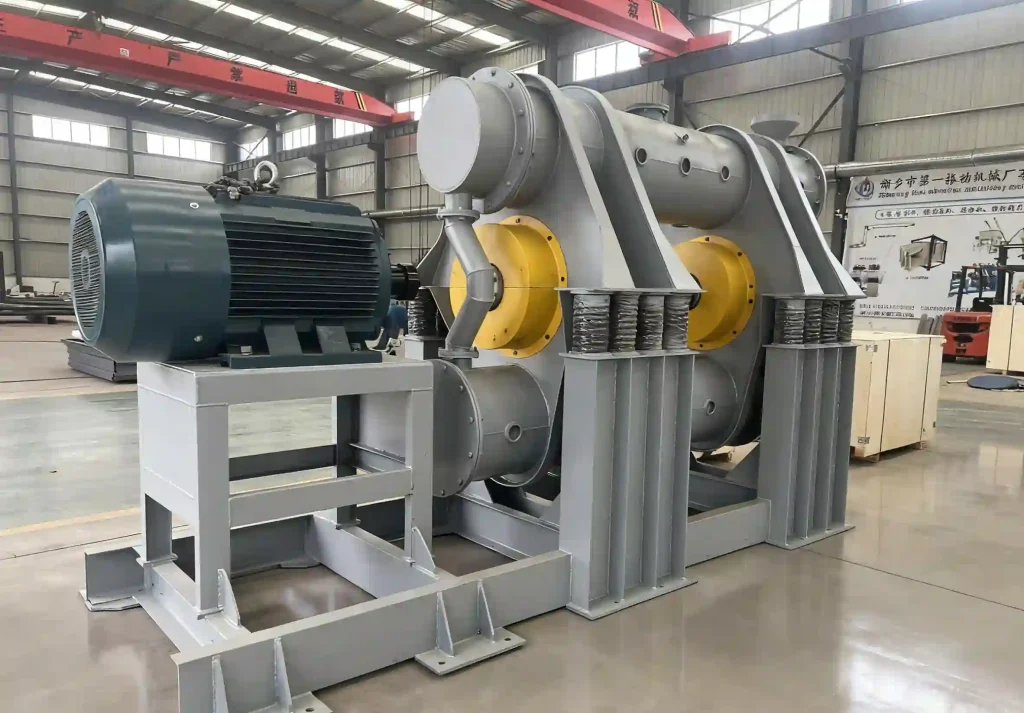
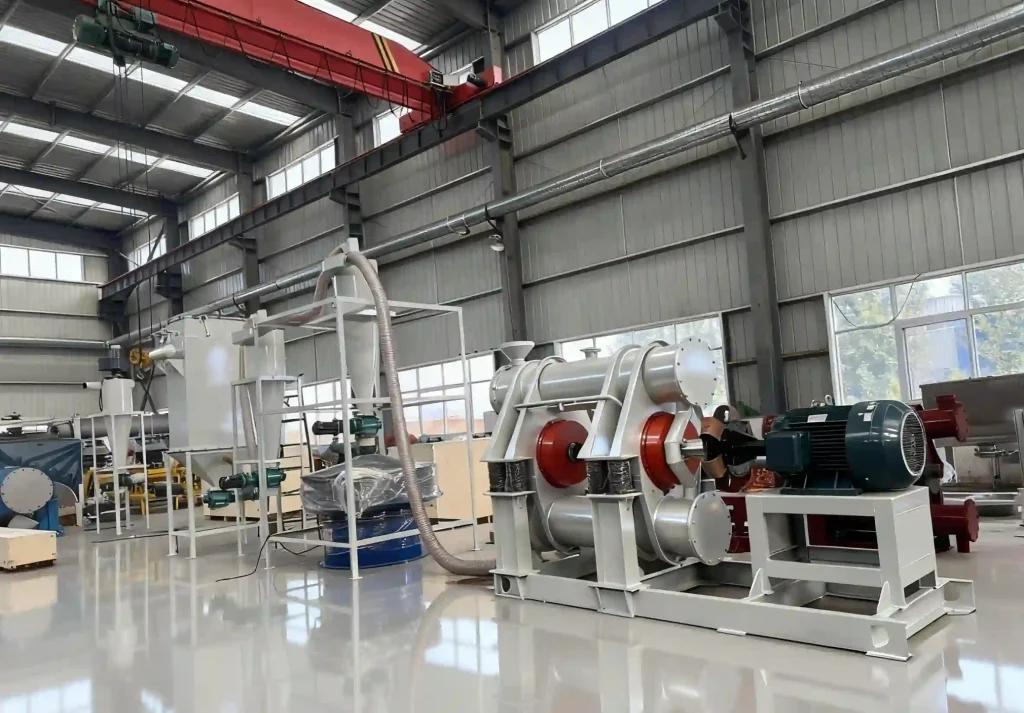
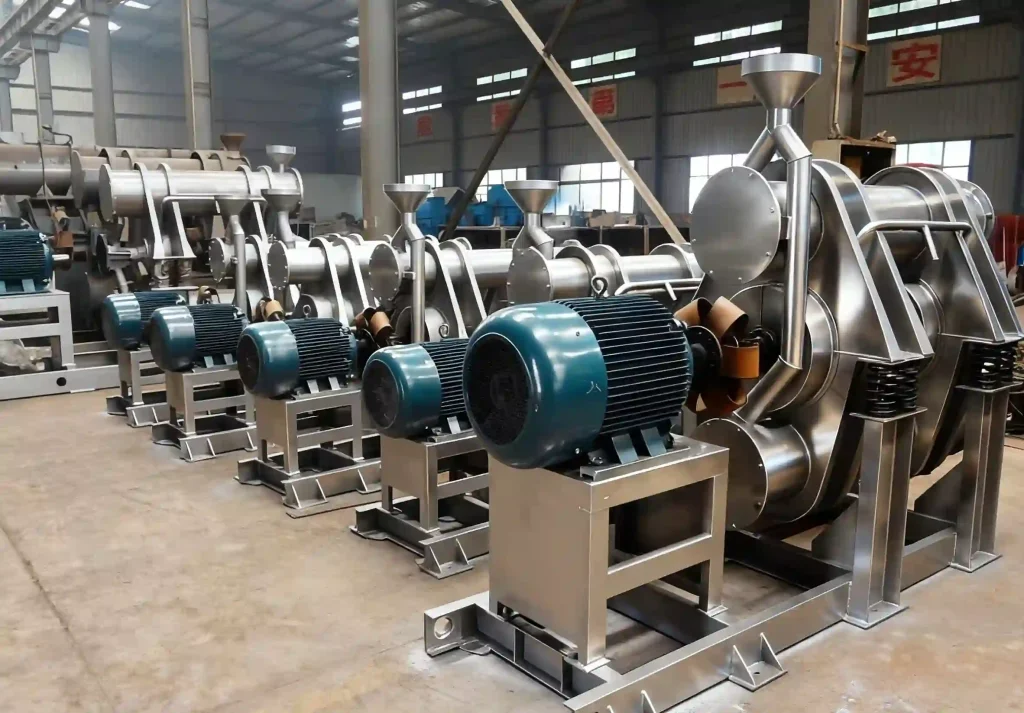
2ZM MULTI-TUBE VIBRATING MILL SERIES

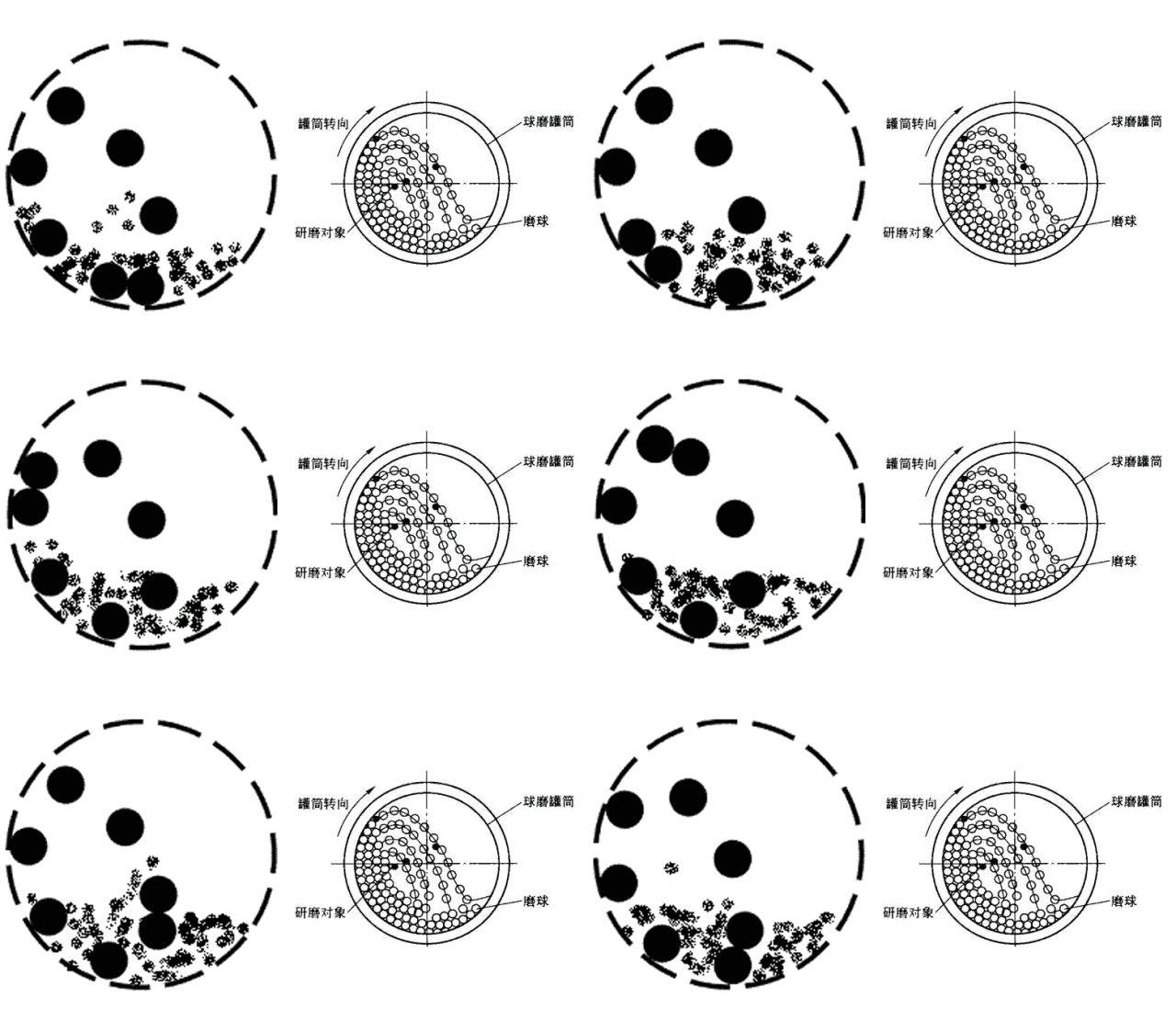
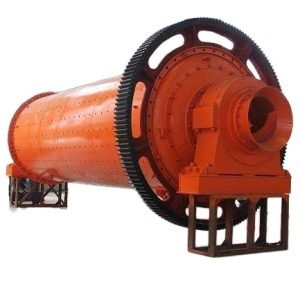
Application Areas: High-efficiency vibrating mill designed for fine grinding to 80–104 μm. High-frequency 3D vibration drives media for intensive impact & friction, delivering 2–5× the throughput of rotary mills with ~30% lower power, and controlled low-heat grinding (<45 °C). Available in 3-tube/4-tube configurations for different process flows and materials.

80–104 μm

Final Product Size

2–5×

Throughput vs. Rotary Mills

–30%

Power Consumption

稿定设计 5 3
60S Quick response
30 min Technical reply
24h design proposal
365 days to receive service needs
稿定设计 2 3
稿定设计 3 3
稿定设计 4 3
稿定设计 1 3

Applicable Materials

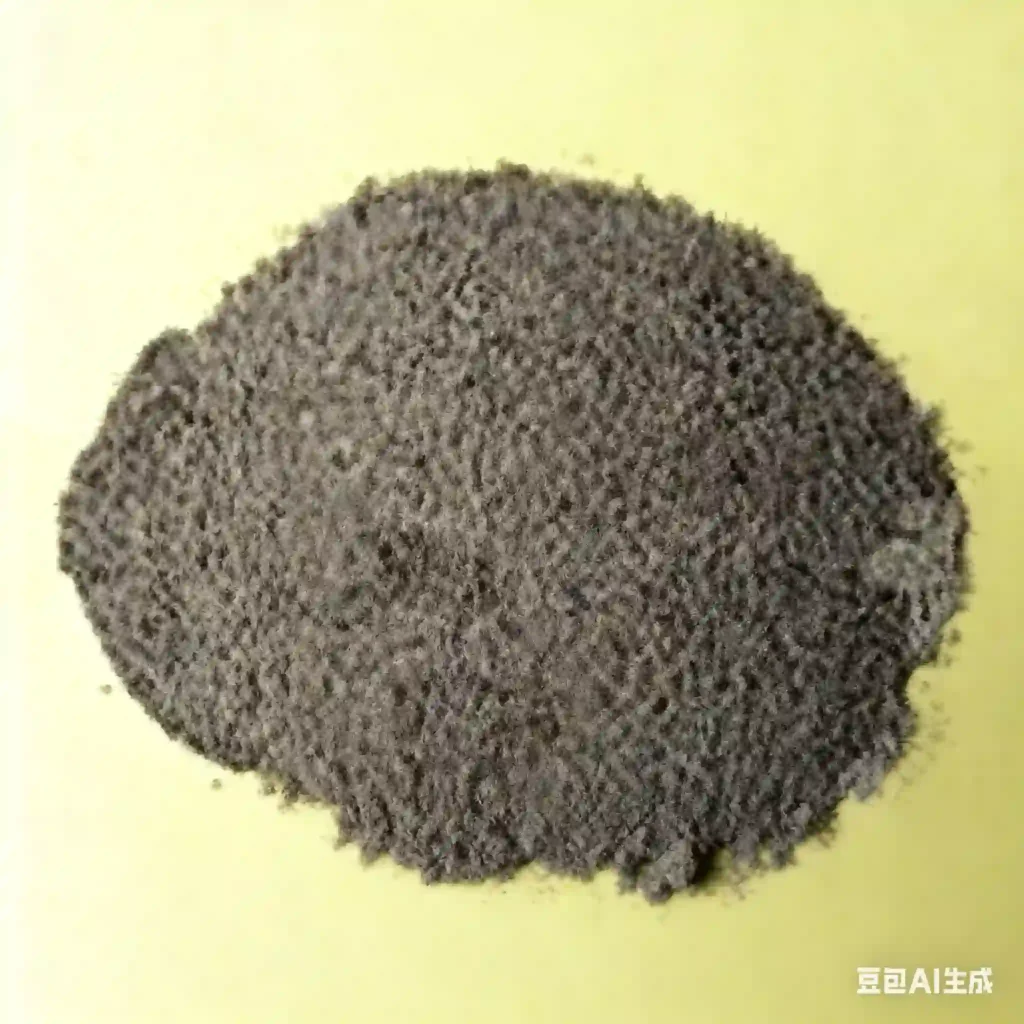
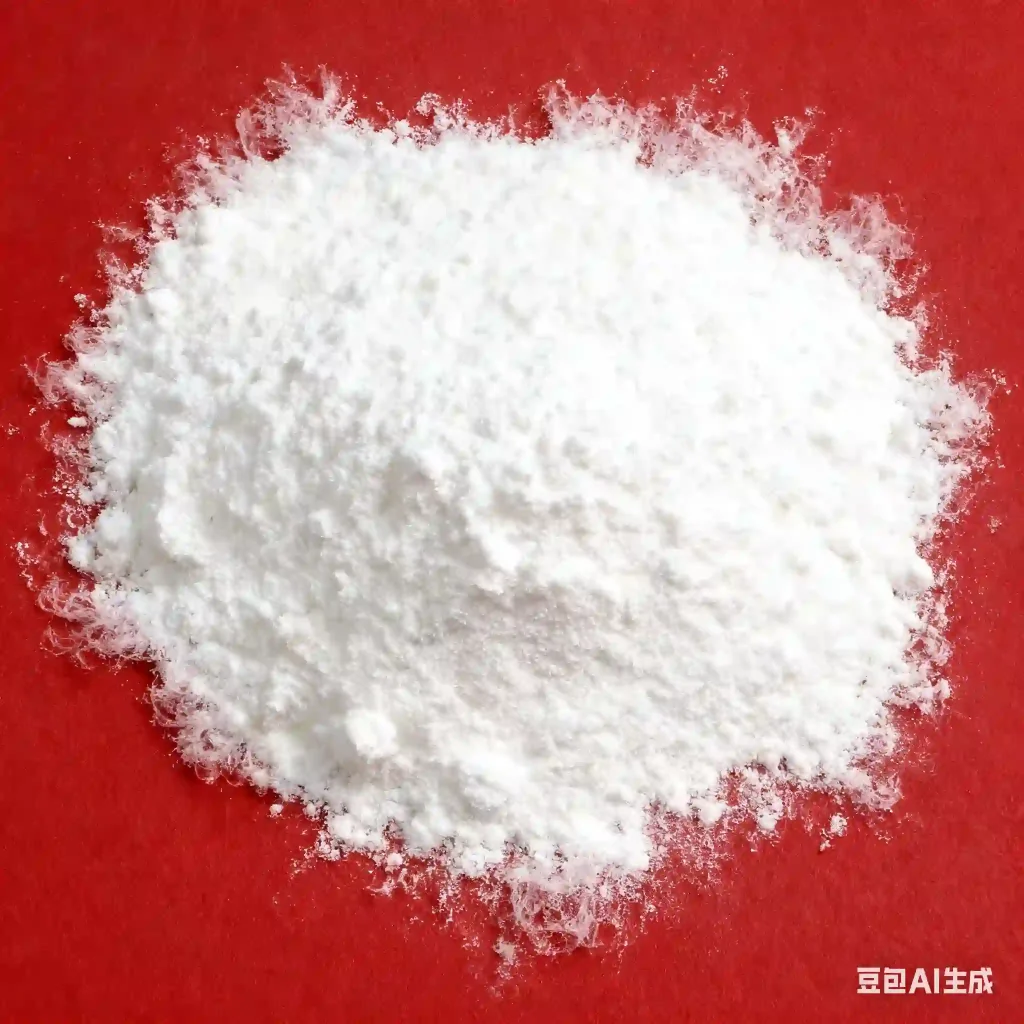
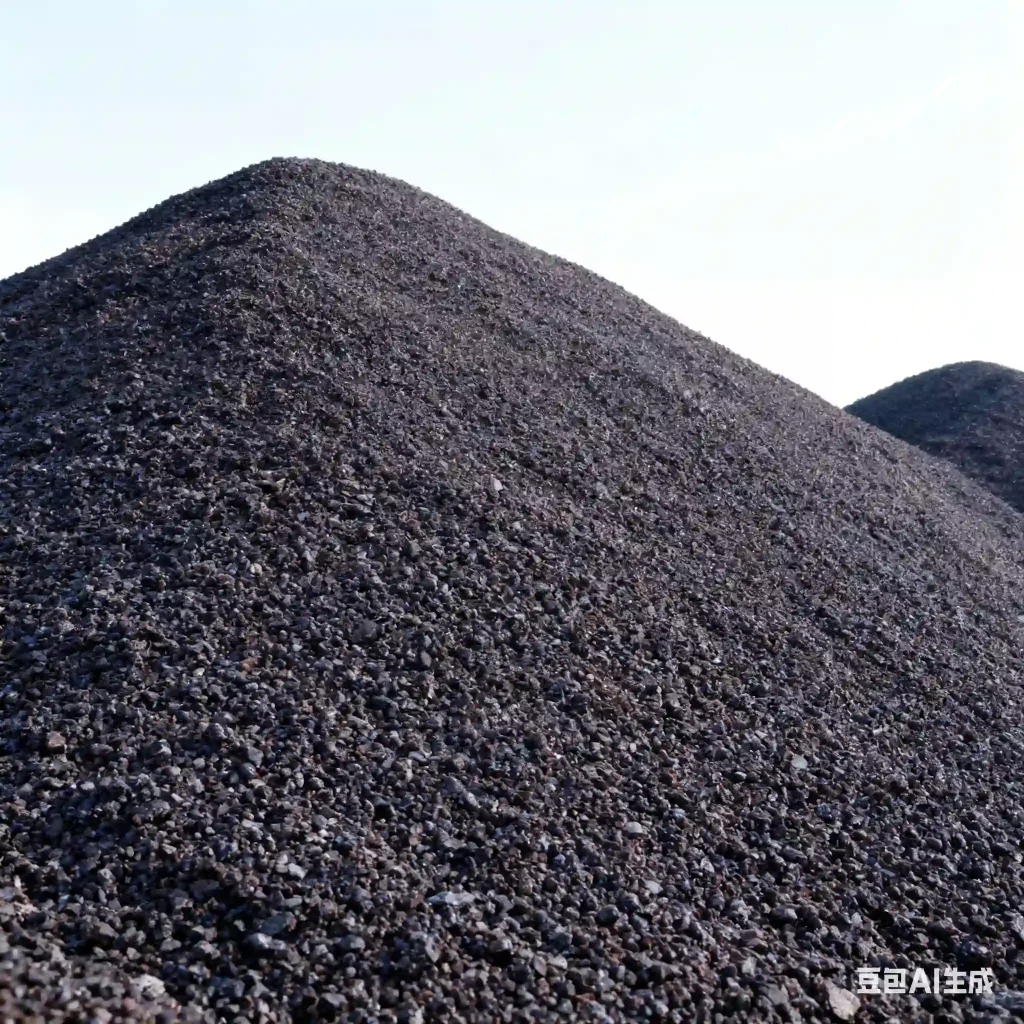
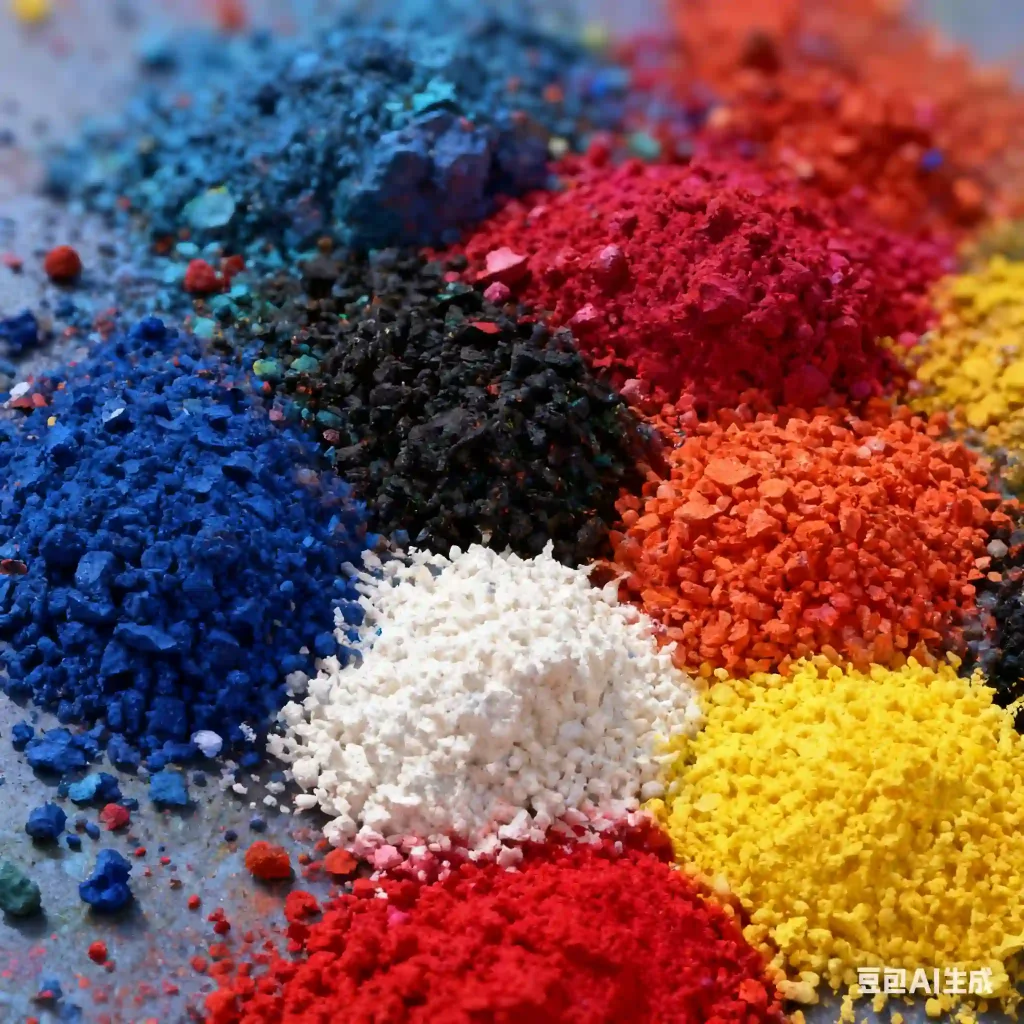
For brittle to medium-hard materials requiring fine grinding to 80–104 μm. Typical feeds: limestone, quartz/silica, bauxite/alumina, feldspar, talc, calcium carbonate, battery cathode/anode precursors, metal powders, ceramic glaze frits, sugar, etc. Low-heat grinding (<45 °C) protects temperature-sensitive materials.

Application Areas

Widely used in minerals processing, battery materials, ceramics, chemicals and food. Typical uses: secondary/tertiary grinding of limestone & quartz; refinement of cathode precursors; glaze homogenization; sugar micronization; additive preparation. Delivers 2–5× throughput vs. rotary mills with ~30% lower power.

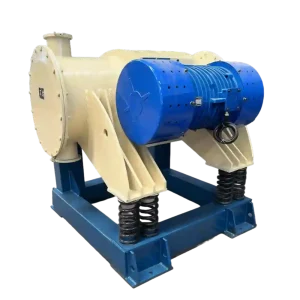
2ZM Multi-Tube Vibrating Mill

A high-efficiency vibrating mill engineered for fine grinding to 80–104 μm. High-frequency 3D vibration drives grinding media to deliver 2–5× the throughput of rotary mills with ~30% lower power and controlled low-heat grinding (<45 °C). Configurable in 3-tube/4-tube layouts to match different flows and materials. Typical uses: secondary/tertiary grinding of limestone & quartz, cathode-precursor refinement, ceramic glaze homogenization, and sugar micronization across minerals, battery materials, ceramics, chemicals and food.

917f8c74c046fb9adc7deb233745f5c01
96220e077bd18d705bea11eb51cae9be1

Product Advantage

The 2ZM Multi-Tube Vibrating Mill delivers high-efficiency fine grinding to 80–104 μm. It uses high-frequency 3D vibration to drive the media for intense impact and friction, achieving 2–5× higher throughput than rotary mills while reducing heat generation—ideal for temperature-sensitive materials. Power consumption is about 30% lower. Modular 3-tube/4-tube configurations support custom workflows and continuous coarse-to-fine grinding, while maintaining material properties below 45 °C.
e6230e4b0ddf7c8b3e82425dc0551d0c1
27becc286d45a0315c01572206a2b9e41

Ground Product Fineness

Have Any Questions!

Don't Hesitate To Contact Us AnyTime.

8eeecaca3ea4f77233ed9fa5af48504b
120 mesh
66fa455ce448bbd1f8841585d3e2718d
140 mesh
530bce4bb4fbffaf3b29669941426983
150 mesh
c4969f99c003d1f150775cbba6a11802
170–200 mesh

Working Principle

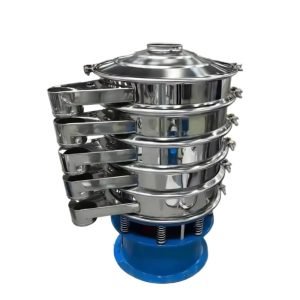
The rotary vibrating screen operates based on three-dimensional elliptical vibration. When working, the motor drives the screen body to vibrate at high frequency, and the material enters the screen body through the feed inlet. The vibration causes stratified separation, allowing different particle sizes to be sorted and separated effectively. The material moves across the mesh, and is classified based on particle size. The rotary vibrating screen features an anti-blinding design, which effectively prevents mesh blockage, ensuring efficient and continuous screening.
振动磨动图

Specification

Performance (throughput & fineness) varies with material hardness/moisture, feed size & distribution, bulk density, media size & filling ratio, 3-/4-tube configuration, and vibration amplitude/frequency. Values shown are typical; test grinding and custom specs available.

Blogs

© 2025Xinxiang City Leader Machinery Co., Ltd. All Rights Reserved.

Email WhatsApp
WhatsApp QR Code

扫码添加 WhatsApp

Message